

How to Choose Linen for a B&B: A Hospitality Professional’s Guide (2026)
A retail 1000-thread-count sheet often fails faster in a professional guest house than a meticulously crafted 200-thread-count percale weave. It's a counterintuitive reality that many hosts discover only after their expensive sets begin thinning or greying under the pressure of daily commercial laundering. You likely understand the delicate balance of maintaining a sanctuary for your guests whilst keeping replacement costs manageable. With South African tourist accommodation revenue rising by 8.9% in February 2026, the demand for high-quality, durable finishes has never been more pressing for your bottom line.
In this guide, you'll master how to choose linen for a B&B that pairs sensory luxury with operational efficiency. We'll show you why specific thread counts and fabric origins matter more than marketing hype, ensuring your beds remain crisp and inviting for years, not months. From understanding the implications of the March 2026 Draft Code of Good Practice for Short-Term Rentals to selecting the right cotton blends for our local climate, we provide the technical expertise you need to simplify your laundry operations and delight every guest who walks through your door.
Key Takeaways
- Understand the critical technical differences between residential sheets and hospitality-grade textiles, focusing on tensile strength and pilling resistance for long-term durability.
- Learn how to choose linen for a B&B by balancing the cost-effective, wrinkle-resistant benefits of 200TC Polycotton Percale with the premium, breathable luxury of 300TC Cotton Percale.
- Identify essential South African hospitality dimensions, such as 3/4 XL and Super King XL, to ensure your bedding fits perfectly and looks professional.
- Implement the "Rule of Three" par stock management system to streamline your laundry operations and extend the lifespan of your linens through consistent rotation.
- Discover the advantages of made-to-order production and custom embroidery to create a bespoke guest experience that reinforces your brand's unique identity.
Understanding the Distinct Needs of B&B Linens vs Residential Bedding
Selecting the right textiles for a guest house requires a fundamental mindset shift. While a residential buyer often looks for immediate, buttery softness, a hospitality professional looks for endurance and structural integrity. Learning how to choose linen for a B&B involves understanding that your bedding is a high-performance asset, not just a decorative finish. It must provide a sanctuary for the guest whilst surviving the relentless cycle of commercial laundering. Residential "luxury" sets often boast high thread counts but lack the tensile strength needed for industrial extractors. Tensile strength refers to the fabric's ability to resist breaking under tension, a quality that's tested every time a sheet is pulled tight over a mattress. Pilling resistance is equally vital; no guest wants to feel tiny bobbles of fibre against their skin after the third wash. Hospitality-grade fabrics are engineered with specific shrinkage tolerances, ensuring a Queen XL sheet still fits perfectly after fifty high-heat cycles.
The Sensory Experience of Quality Fabric
The "handle" of a fabric is the tactile sensation it leaves on the skin, and it's a detail that directly influences your guest reviews. In South Africa's varied climate, from the humidity of KwaZulu-Natal to the dry heat of the Karoo, breathability is paramount for a restful night. Guests instinctively equate a "crisp" feel with professional hygiene and freshness. This is why a percale weave is often preferred over sateen in guest houses. While the term Linen fabric historically referred to flax-based textiles, the modern hospitality definition focuses on high-quality cotton and polycotton blends that offer this specific, cool-to-the-touch experience. It's about creating a bed that feels like a clean slate for every new arrival.
Commercial Laundering Compatibility
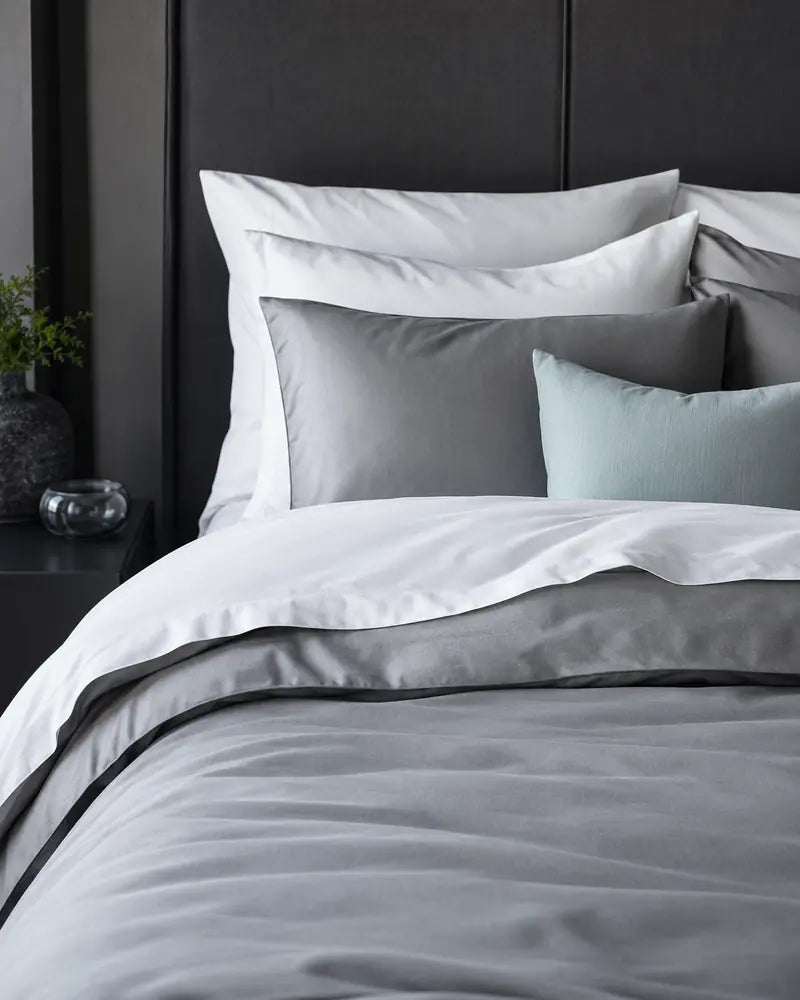
Commercial laundering is aggressive. It involves high temperatures and industrial detergents designed to strip oils and stains quickly. Residential fabrics often lose their structural integrity or begin to "grey" after just a few months of this treatment. Professional linens are crafted for superior colour fastness, particularly in popular neutral shades like Stone, Grey, or Duck Egg. This ensures they maintain their depth of tone and don't look fatigued after a busy season. Choosing durability isn't just about longevity; it's the most cost-effective strategy for your operational budget. When your linens last for years rather than months, you significantly reduce the frequency of replacement orders and the administrative burden that comes with them.
Selecting the Right Fabric: Polycotton Percale vs Pure Cotton
The most common question in hospitality procurement is which fabric offers the best return on investment. When deciding how to choose linen for a B&B, you must look beyond the marketing allure of high thread counts. Retailers often promote 800 or 1000-thread-count sets as the pinnacle of luxury, but these are often impractical for commercial use. They're heavy, slow to dry, and the dense weave can trap heat, making for an uncomfortable night's sleep in our South African summers. Experts agree that choosing the right thread count involves finding a balance between softness and structural openness. For most professional establishments, the sweet spot lies between 200 and 400. Because our linens are made-to-order, we can ensure each set meets these precise technical requirements.
The Case for 200TC Polycotton Percale
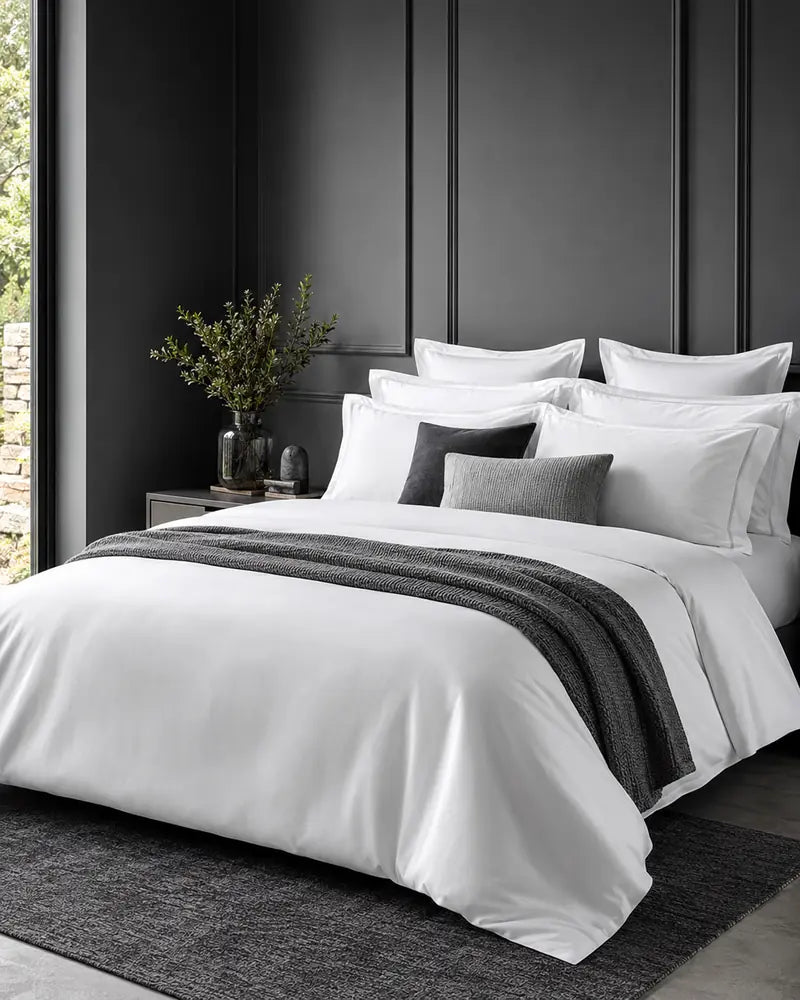
This fabric is the undisputed workhorse of the local industry. By blending the natural breathability of cotton with the resilient strength of polyester, we've created a textile that withstands the rigours of high-turnover rooms. It's an economical choice that doesn't compromise on the guest experience. Polycotton dries significantly faster than pure cotton, which is a vital consideration if your laundry team handles multiple turnovers in a single day. It also resists deep creasing, allowing for a crisp finish with minimal ironing. Our Polycotton Percale 200TC is available in a palette of timeless tones, including White, Stone, and Grey, designed to complement any sanctuary. With a standard lead time of 3 to 14 working days, it's a reliable solution for seasonal refreshes.
When to Choose 300TC or 400TC Pure Cotton
For high-end boutique lodges or luxury retreats, the cool, crisp touch of 100% Cotton Percale is often non-negotiable. Pure cotton is a natural insulator, providing exceptional cooling properties in the bushveld or coastal regions. Our White Cotton Percale 300TC offers a substantial yet breathable weight that feels artisanal and refined. However, pure cotton requires more meticulous maintenance. It's prone to wrinkling and typically requires professional pressing or mangling to achieve that signature hotel-quality finish. If your staff capacity allows for detailed care, the sensory reward for the guest is unmatched. Given that South Africa's textile imports dropped by 17% in early 2026, investing in locally manufactured, high-quality cotton is a secure way to maintain your standards without relying on volatile global supply chains.
You might consider requesting a few fabric swatches to experience the difference in handle before committing to a full order. Please keep in mind that our linens are made-to-order with a lead time of 3 to 14 working days, though we require no minimum order quantity to support your specific needs. Full payment is required before production begins to ensure your bespoke items move swiftly through our local workshop.

Sizing and Construction: Navigating South African Bedding Standards
A beautifully appointed room can be let down by the simple geometry of an ill-fitting sheet. In the South African hospitality sector, standard residential sizes often fall short because professional mattresses are frequently longer or deeper than those found in a typical home. When you're learning how to choose linen for a B&B, you must account for the prevalence of Extra Length (XL) beds. Sizes like 3/4 XL and Super King XL are industry essentials rather than niche luxuries. A standard King sheet on a King XL mattress will inevitably pop off the corners, a small failure that disrupts guest sleep and increases housekeeping time. We specialise in these industry-specific dimensions, ensuring every set provides a tailored, professional finish.
Mastering the Fit for Guest Comfort
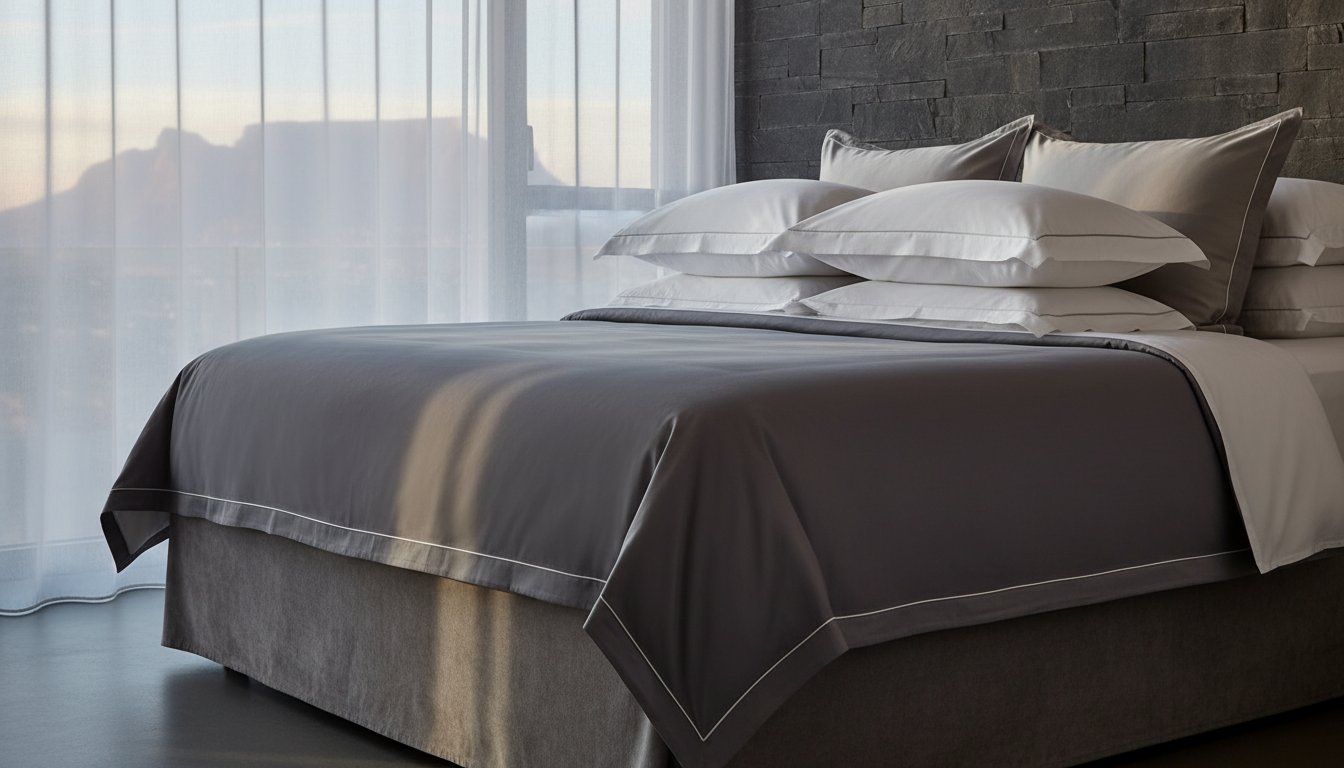
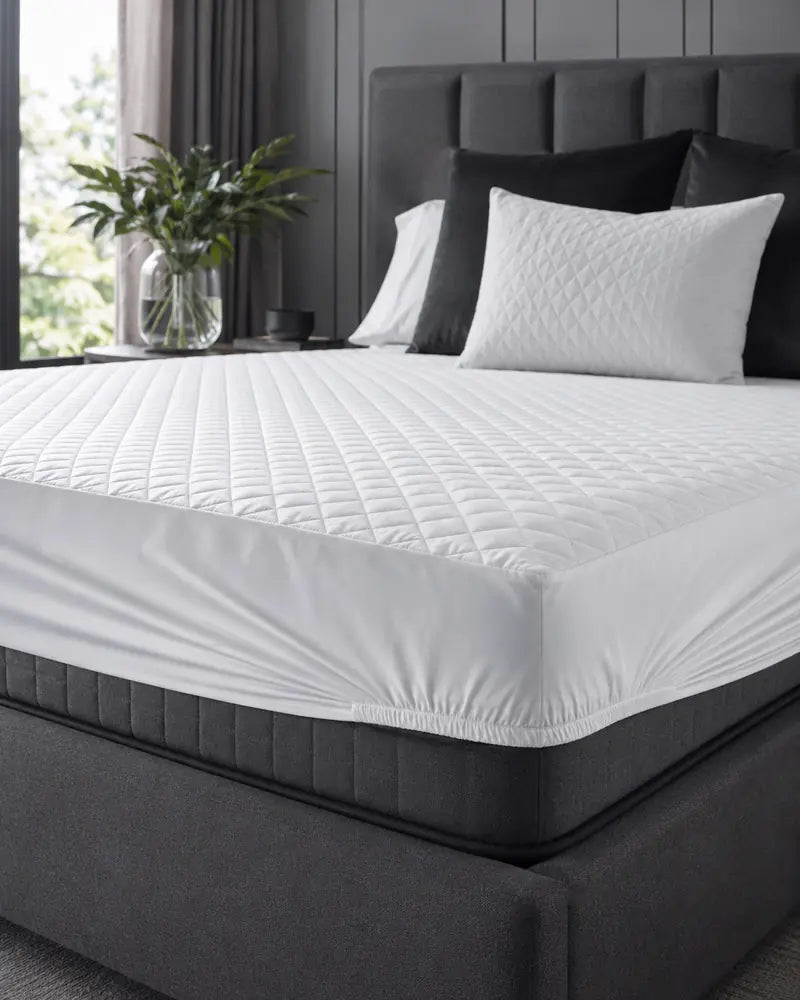
The visual tautness of a bed is a silent communicator of cleanliness and care. Modern hospitality mattresses, particularly those in high-end lodges, are often paired with thick quilted mattress protectors or waterproof layers to preserve the asset. This added height requires "extra depth" fitted sheets, typically 35cm or 40cm, to ensure the fabric tucks securely underneath. Our fitted sheets feature robust four-corner elastic, which simplifies the bed-making process for your staff and prevents the fabric from shifting overnight. To complete the aesthetic, many hosts now opt for base wraps or covers in neutral tones like Stone or Grey, which hide bed bases and maintain a cohesive sanctuary feel throughout the room.
Durable Finishes and Closures
In a high-turnover environment, the small details of construction determine the lifespan of your textiles. We recommend flap closures for pillowcases, also known as the envelope style, over buttons or zips. Zips frequently snag or break in industrial extractors, while buttons are easily lost during the rigours of commercial laundering. A generous internal flap ensures the pillow stays hidden and secure without the need for fragile hardware. For your base sets, plain hem finishes offer the greatest durability, as they lack the intricate stitching that can fray over hundreds of wash cycles. If you're unsure about the specific dimensions required for your property, our Guide to Duvet and Pillow Sizing provides a clear breakdown of South African standards. Because our items are made-to-order with a 3 to 14 working day lead time, we can customise depths and sizes to match your specific mattress profiles perfectly. We require no minimum order quantity, though full payment is necessary before production commences.
Operational Efficiency: Laundering, Durability, and Par Stock Management
Operational success in hospitality rests on the invisible systems that keep your rooms guest-ready. Beyond the initial purchase, how you manage and maintain your inventory determines the true value of your investment. Understanding how to choose linen for a B&B means planning for the inevitable wear and tear of a busy season. A common mistake is underestimating the volume of stock required to maintain a seamless guest experience without putting undue stress on your staff or your textiles. Efficiency isn't just about speed; it's about the lifecycle of the textile and the rhythm of your laundry room.
Establishing Your Par Stock Levels
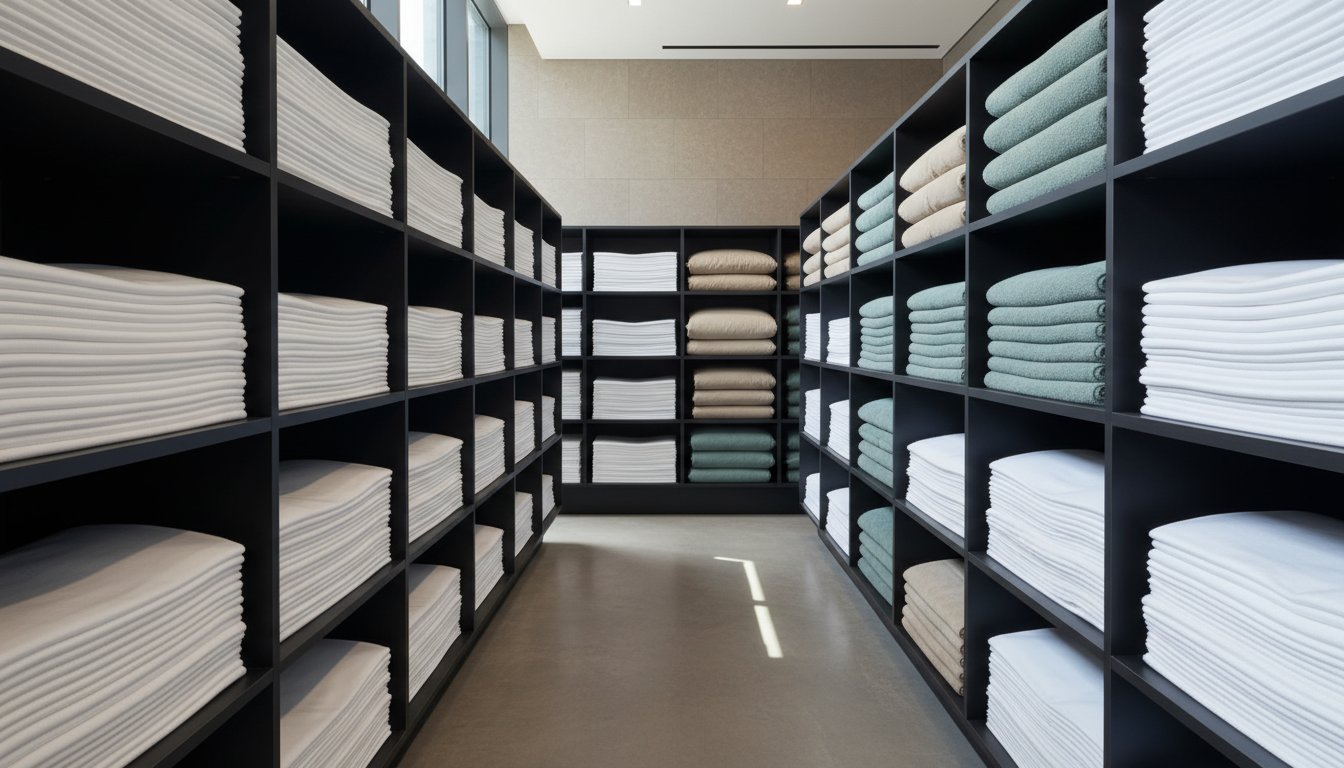
The "Rule of Three" is the gold standard for the South African hospitality industry. This system requires a par level of three full sets of linen per bed: one currently on the bed, one in the laundry, and one resting in the linen cupboard. Maintaining this 3:1 ratio is essential for smooth operations, especially during peak occupancy when same-day turnovers are frequent. It also allows for a rotation that prevents any single set from being over-washed and prematurely thinned. You should also consider "incidentals" in your stock count. Extra pillowcases and waterproof protectors are vital, as these items often require more frequent changes than the base sheets due to guest habits or spills.
Linen Care for Longevity
The lifespan of a high-quality 200TC or 300TC percale sheet is often cut short by aggressive laundering. While sanitisation is non-negotiable, avoiding harsh chlorine bleach is the best way to preserve fibre integrity. Bleach eventually turns white fabrics yellow and weakens the threads, leading to frayed edges and thinning. Instead, use oxygen-based whiteners that lift stains whilst remaining gentle on the weave. One professional secret is the 24-hour resting rule. After ironing, allow your linens to rest for a full day before placing them back on a bed. This allows the fibres to rehydrate and settle after the heat of the iron, ensuring the fabric retains its signature crispness and artisanal handle for years. Using industrial machines rather than domestic ones also ensures a more consistent wash temperature and better extraction, which reduces drying time and energy costs.
If you're looking to refresh your inventory or establish a new par stock for the upcoming season, you can request a personalised quote for our made-to-order hospitality range. Please remember that our production lead times are typically 3 to 14 working days, and we require full payment before we begin crafting your bespoke orders in our local workshop.
The Linen and Co Approach: Personalising Your B&B Sanctuary
The final step in mastering how to choose linen for a B&B is finding a partner who understands the unique character of your property. At Linen and Co, we don't believe in the one-size-fits-all approach common in retail. Our philosophy is rooted in South African craftsmanship, where every duvet cover and pillowcase is crafted to your specific requirements. This local manufacturing model allows for a level of meticulous quality control that mass-produced imports can't replicate. It's about providing an everyday luxury that feels artisanal and personal, ensuring your guest rooms truly feel like a sanctuary for every visitor.
Customisation and Branding
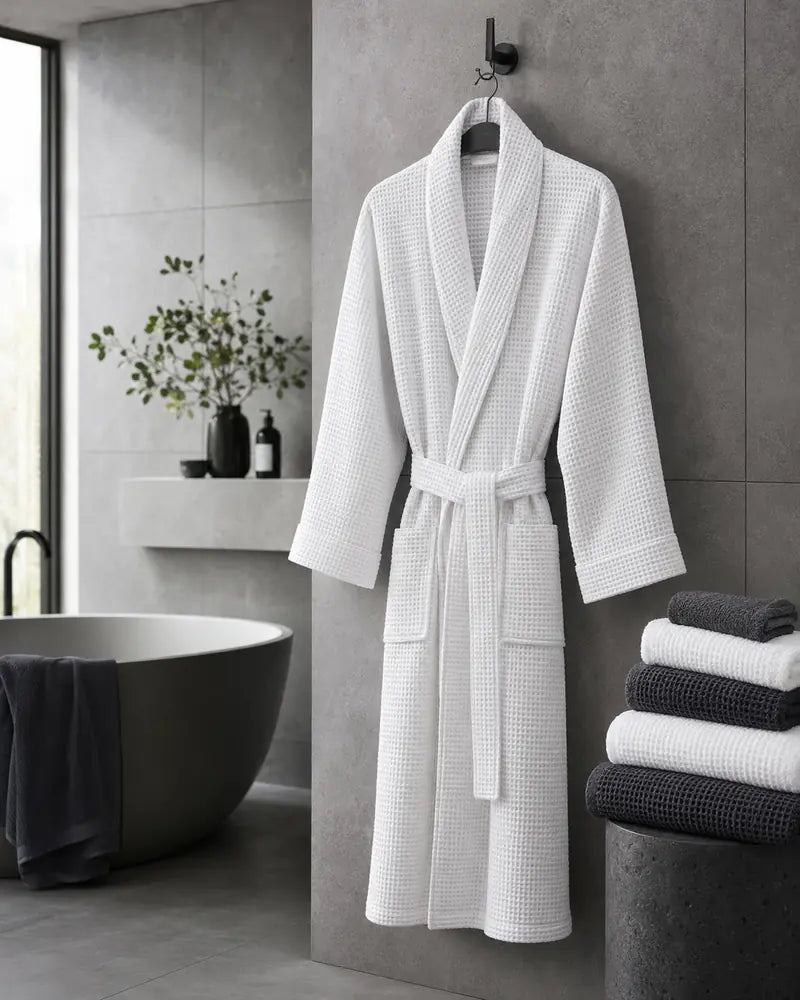
Branding is a silent but powerful way to elevate the guest experience. Subtle embroidery on a 300TC pillowcase or a velour bathrobe signals a level of care that guests instinctively remember. We offer a timeless colour palette including White, Cream, Stone, Grey, and Duck Egg, designed to harmonise with any interior style. If you choose to add custom logos or monograms, please plan for an additional 1 to 2 weeks beyond our standard production window. This bespoke detail is what distinguishes a professional establishment from a residential rental, reinforcing your brand identity through every tactile touchpoint.
The Made-to-Order Advantage
Our made-to-order model is specifically designed to support the diverse needs of the South African hospitality sector. We don't enforce minimum order requirements, which is particularly beneficial for boutique guesthouses looking to replace small volumes of par stock without over-investing. Every order has a lead time of 3 to 14 working days, reflecting the care taken in our local workshop. Because each item is tailored to your specifications, we require full payment before production begins. Once our team starts crafting your bespoke or personalised items, they're generally non-returnable; this ensures that the integrity of our craftsmanship is maintained for every client we serve.
We invite you to engage with us as a long-term partner in your property's success. From the initial request for a quote to the final delivery of your linens, our process is consultative and expert-led. Whether you need Super King XL dimensions or a specific fitted sheet depth for modern mattresses, we're here to provide the technical expertise that makes bed-making simpler and guest stays more memorable. Reach out to our team today to discuss your requirements or request fabric samples for your next refresh.
Crafting a Legacy of Everyday Luxury
Investing in high-quality textiles is a commitment to your property's enduring reputation. As we've explored, the secret to how to choose linen for a B&B lies in the synergy between fabric durability and meticulous operational care. By implementing a robust par stock system and selecting locally manufactured textiles like our 200TC Polycotton Percale, you're not just buying sheets; you're engineering a better night's sleep for your guests and a more efficient workflow for your team. These technical decisions form the foundation of a professional sanctuary that stands the test of time.
Linen and Co remains dedicated to providing the technical expertise and artisanal quality that South African hosts require. With our made-to-order model and absence of minimum order requirements, we're equipped to support your growth, whether you're managing a single suite or an expansive lodge. Our team is ready to assist with bespoke sizing or custom embroidery to ensure your sanctuary remains truly one of a kind. We take pride in being a long-term partner in your property's journey, offering the reliability and craftsmanship your guests deserve.
Request a personalised hospitality quote from Linen and Co to begin your journey toward a more refined guest experience. We look forward to helping you create a space where every detail reflects the warmth and excellence of your hospitality.
Frequently Asked Questions
What is the best thread count for B&B bed linen?
The ideal thread count for professional guest bedding usually falls between 200 and 400. While retail marketing often suggests that higher counts are superior, these dense weaves can trap heat and become difficult to launder commercially. Our Polycotton Percale 200TC is the industry standard because it balances a crisp feel with exceptional durability. For a more artisanal touch, our White Cotton Percale 300TC provides a breathable, premium experience that guests truly appreciate.
How many sets of linen should a B&B have per room?
You should maintain three full sets of linen per bed to ensure smooth operational flow. This Rule of Three allocates one set for the bed, one for the laundry, and one to rest in the cupboard. This ratio prevents stock shortages during peak occupancy and allows fibres to recover between wash cycles. It's a fundamental part of how to choose linen for a B&B to maximise the lifespan of your textiles and avoid operational stress.
Is polycotton or pure cotton better for guest houses?
Polycotton is typically preferred for high-turnover rooms due to its crease resistance and rapid drying times. It's a value-conscious choice that maintains a professional aesthetic with minimal maintenance. Pure cotton, however, is the standard for boutique lodges where the natural, breathable handle of the fabric is a priority. Both options reflect the everyday luxury Linen and Co provides, depending on your specific staff capacity and laundry equipment.
What are the most durable colours for hospitality towels?
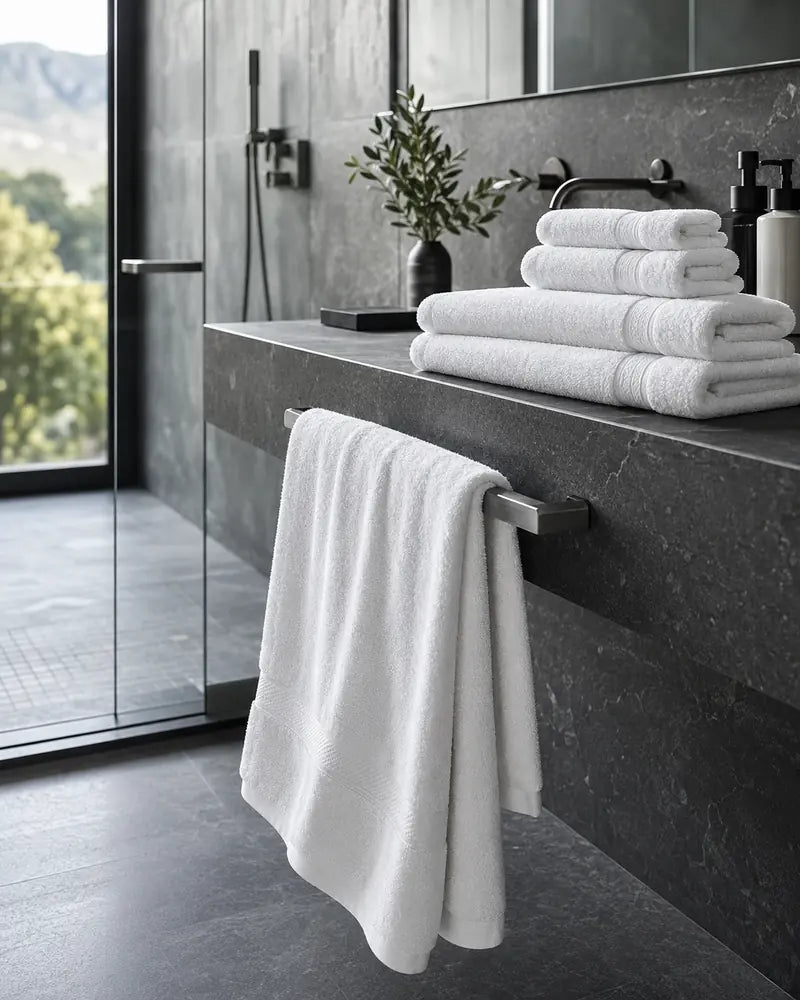
White remains the most durable and practical choice for hospitality towels because it can be sanitised at high temperatures without risk of fading. If you prefer a coloured palette to match your sanctuary's decor, neutral tones like Stone, Grey, or Duck Egg are excellent alternatives. These shades offer superior colour fastness and complement a sophisticated aesthetic whilst hiding minor marks that might occur in a high-traffic environment.
How do I ensure my white linens stay white after multiple washes?
To keep your whites pristine, avoid harsh chlorine bleach and use oxygen-based whiteners instead. Chlorine eventually damages cotton fibres and can cause a yellowish tint over time. Ensuring your laundry team follows correct temperature guidelines and allowing the fabric to rest for 24 hours after ironing will help maintain the crisp, bright appearance that guests associate with professional hygiene. This resting period allows the cotton to rehydrate naturally after the heat of the iron.
What are the standard lead times for custom B&B linen orders?
Our standard lead time for made-to-order linens is 3 to 14 working days from the date of full payment. If your order includes custom embroidery for branding purposes, please allow an additional 1 to 2 weeks for this artisanal process. We don't have minimum order requirements, which allows you to top up your par stock precisely when needed without over-investing in excess inventory during the quieter months of the year.
Can I add my B&B logo to the duvet covers and towels?
Yes, we can customise your duvet covers, pillowcases, and towels with high-quality embroidery. Adding a monogram or logo is a powerful way to elevate your brand's presence and create a memorable, signature look for your property. It's an essential consideration in how to choose linen for a B&B that wants to stand out. Please remember that once production has commenced on these personalised items, they're generally non-returnable due to their bespoke nature.
What is the difference between a standard King and a Super King XL?
A standard King duvet usually measures 230cm by 220cm, whilst a Super King XL is significantly larger at 260cm by 240cm. The XL designation in South Africa specifically refers to the extra length of the mattress, which is typically 200cm compared to the standard 188cm. Using XL sizing is a critical operational factor, as it ensures the bedding remains tucked in securely and provides a tailored, professional finish for your guests even on deeper mattresses.