

Calculating Linen Par Levels for a Small Hotel: A Practical Guide
Did you know that the average hotel replaces 25% to 35% of its total linen inventory every year? For a boutique guest house or lodge, these replacement costs often stem from a hidden culprit: improper stock rotation rather than just guest usage. When your stock levels are too low, your premium sheets endure constant laundering without the necessary rest; this leads to premature thinning and emergency laundry fees that erode your margins.
We understand that managing a smaller property requires a meticulous approach to storage and budget planning. By calculating linen par levels for a small hotel with precision, you can transform your housekeeping from a source of stress into a seamless, predictable cycle. This guide provides the exact formula to master your inventory, ensuring your guests always enjoy the crisp feel of fresh Cotton Percale whilst you maximise the lifespan of every thread. We will walk through the industry-standard 3-par system, adjust for your specific laundry turnaround, and help you plan your next order of South African crafted linens with confidence.
Key Takeaways
- Understand the PAR (Periodic Automatic Replacement) system as a strategic tool to ensure your guest house always maintains a sanctuary-ready environment.
- Master the professional formula for calculating linen par levels for a small hotel, factoring in your specific bed configurations and guest turnover rates.
- Identify how operational variables, such as South African load shedding and laundry transit times, necessitate higher inventory levels to protect fabric integrity.
- Learn how to apply a step-by-step calculation for a 10-room boutique lodge to accurately plan your next procurement of premium sheets and duvet covers.
- Discover the benefits of sourcing locally manufactured, made-to-order linens that offer the flexibility of no minimum order requirements for your growing property.
What is a Linen Par Level and Why is it Critical for Small Hotels?
In the hospitality industry, PAR stands for Periodic Automatic Replacement. It's a foundational system used to ensure you have exactly the right amount of stock to meet guest needs without over-investing in inventory. Whilst the concept stems from broader inventory control principles, its application in a boutique lodge or guest house is deeply personal. It's the difference between a panicked late-night laundry session and a serene, well-ordered linen room. For many independent owners, "enough to get by" often means having just two sets of sheets per bed. However, a professional par strategy recognises that linen is a moving asset, not a static one.
Calculating linen par levels for a small hotel is a preservation strategy for your textiles. Premium fabrics, such as our 200TC Cotton Percale, require time to rest between uses. When cotton fibres are allowed to recover their shape after the heat of a commercial iron, they maintain that signature crispness that guests associate with luxury. Without this rotation, the fabric becomes stressed. Research indicates that hospitality sheets typically last for 100 to 150 commercial wash cycles; however, this lifespan drops significantly when the fabric is denied a resting period. By mastering your par levels, you ensure that every duvet cover and pillowcase provides the sensory experience your brand promises.
The Consequences of Under-Stocking Your Guest House
Small properties face unique operational risks when stock levels run low. Because you likely have limited laundry capacity or rely on external collections, a single busy weekend can deplete your entire supply. This leads to the hidden cost of emergency commercial laundering and courier fees, which quickly erode the 3% to 5% of operating costs typically allocated to linen. Beyond the financial impact, the "wash-dry-fold-reuse" cycle ruins fibres. Constant agitation without rest leads to premature thinning and pilling. It also places immense pressure on your housekeeping team, as they're forced to wait for dryers to finish before they can complete a room, directly affecting staff morale and guest check-in times.
Key Terminology for the Hospitality Buyer
To manage your inventory like a professional, you must understand how your stock is distributed at any given moment. In Circulation refers to the linens currently on the beds, whilst In Laundry covers items being washed, dried, or transported. In Storage represents your "clean and ready" backup. A vital but often overlooked term is Resting Time; this is the 24-hour period where clean linens sit on the shelf to allow fibres to stabilise. Finally, your Discard Rate is the percentage of stock you expect to retire annually due to stains or wear. Most well-managed hotels plan for a 25% to 35% discard rate each year to keep their bedding looking pristine and professional.
The Standard Formula for Calculating Hotel Linen Par Levels
Moving from the theory of inventory management to practical application requires a clear, mathematical approach. When calculating linen par levels for a small hotel, you must begin with a meticulous audit of your bed configurations. Unlike large commercial hotels with uniform room types, boutique lodges often feature a bespoke mix of sizes, from 3/4 XL for twin configurations to expansive Super King XL beds for honeymoon suites. Your total inventory is a direct reflection of these specific dimensions; you cannot simply order in bulk without a room-by-room breakdown.
The second variable is your laundry turnaround time. If your laundry is collected on a Monday and returned on a Wednesday, you effectively have two full days where one par is entirely inaccessible. For most small properties in South Africa, where logistics or utility interruptions can cause delays, the 3.5 Par Rule has emerged as the most reliable benchmark for maintaining a sanctuary-like guest experience. This formula ensures that your operation remains calm and professional, even during high-occupancy periods.
The 3.5 Par Rule: The Ideal Benchmark
This benchmark provides a rhythmic flow to your housekeeping cycle, allowing for both operational efficiency and fabric longevity. It breaks down into four distinct categories:
- 1 Par: Currently dressed on the beds for your arriving or staying guests.
- 1 Par: In the laundry cycle, whether soiled, being washed, or in transit from a service provider.
- 1 Par: Clean, folded, and resting in the linen room to allow the cotton fibres to recover their natural shape.
- 0.5 Par: An essential emergency buffer for accidental spills, late check-ins, or items that require specialised stain treatment.
This half-par buffer is what separates a value-conscious operation from one that is constantly in crisis mode. If you are currently assessing your stock for a seasonal refresh, you can request sizing assistance from our consultative team to ensure your order matches your bed configurations perfectly.
Adjusting for Bed and Bath Variations
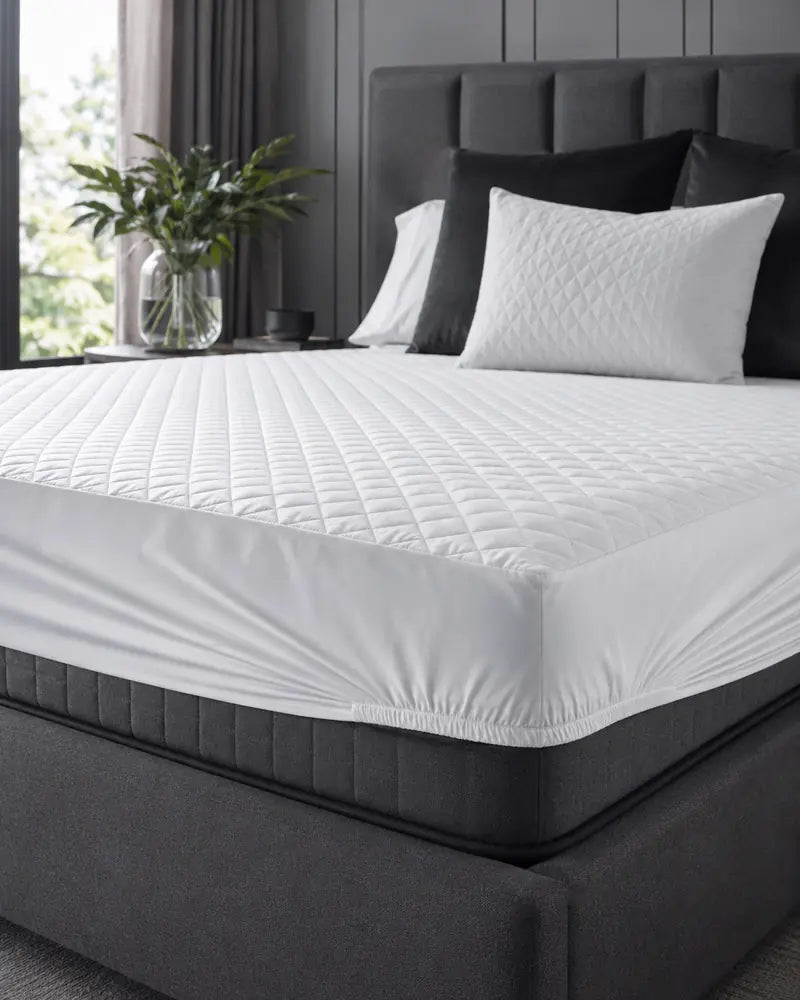
Bedding is only one part of the equation, and different items require unique par considerations. Towels generally require a higher par level, often 4.0 or more, particularly if your property offers pool or spa facilities where guests may use multiple sets daily. For pillows, the hospitality standard is four per bed; therefore, your pillowcase par must be calculated as four times your bed count, multiplied by your par factor. Finally, do not overlook your protectors. Whilst quilted mattress protectors and waterproof pillow protectors do not need a full 3.5 par, having a 1.5 par ensures you can replace a soiled protector immediately without leaving the mattress or pillow inner vulnerable during the laundry cycle.

Operational Factors that Influence Your Inventory Requirements
While the mathematical formula provides a baseline, real-world operations often introduce variables that demand a more nuanced approach. When calculating linen par levels for a small hotel, your local infrastructure and specific laundering methods play a decisive role. In South Africa, the most significant operational challenge is load shedding. If your property or your laundry provider faces four hours of power outages during a peak morning changeover, your entire cycle stops. This disruption can turn a standard 24-hour turnaround into a 48-hour delay, making a higher par level a necessity rather than a luxury.
Seasonal occupancy swings also dictate your procurement strategy. A boutique lodge in Gauteng might experience 90% occupancy during peak business months whilst dropping to 40% in the quiet season. Rather than keeping a massive inventory active year-round, many savvy managers maintain a core 3-par of premium linens and store a "seasonal par" that is only brought into circulation during high-demand periods. This protects the fabric from unnecessary washing and exposure during the quiet months, preserving the integrity of the weave.
In-House vs Outsourced Laundering
The scale of your equipment directly impacts your inventory needs. Many guest houses rely on domestic-scale machines which have smaller drum capacities and longer wash cycles than industrial units. This slower throughput often means you cannot process a full par of soiled linens within a single shift, requiring you to hold more stock to bridge the gap. If you outsource, you must factor in "Transit Par." Commercial cleaners often close on Sundays or public holidays; if you don't account for these gaps, you risk running out of stock during a busy long weekend. We recommend adding at least 0.5 par to your total if your provider does not offer daily collections.
The Role of Fabric Quality in Par Management
Your choice of textile is an operational decision as much as an aesthetic one. Our Polycotton Percale 200TC is frequently selected by hospitality buyers because it balances the breathable comfort of cotton with the resilience of polyester. This blend dries significantly faster than pure cotton, which is vital when load shedding narrows your window of operation. It also resists the deep creasing that can occur during high-pressure commercial laundering, meaning less time spent under a heavy iron.
Attention to construction details further extends the life of your stock. Features like deep flap closures on pillowcases and four-corner elastic on fitted sheets ensure the linens withstand the rigours of frequent stripping and fitting. By investing in these meticulous details, you reduce your annual discard rate. This ensures your value-conscious budget planning remains accurate and your guest rooms continue to feel like a premium sanctuary.
A Step-by-Step Calculation for a 10-Room Boutique Lodge
To move from the theory of inventory management to practical implementation, let's examine a 10-room property with a varied room profile. This lodge features six standard rooms with Queen beds, two twin rooms using 3/4 XL beds, and two executive suites with Super King XL configurations. When calculating linen par levels for a small hotel, treating each size as a distinct inventory line prevents shortages in your premium suites whilst ensuring your storage remains organised. Using the 3.5 par rule, your basic bed linen requirements would look as follows:
| Item Description | Size Specification | Par Level | Total Units Required |
|---|---|---|---|
| Fitted Sheets (200TC Polycotton) | Queen | 3.5 | 21 |
| Duvet Covers (200TC Percale) | 3/4 XL (Twin) | 3.5 | 14 |
| Duvet Covers (300TC Cotton) | Super King XL | 3.5 | 7 |
| Pillowcases (Flap Closure) | Standard (4 per bed) | 3.5 | 168 |
Bath linen requires an equally meticulous approach. For a property with a maximum occupancy of 20 guests, a 4.0 par for bath sheets results in 80 units across the system. This ensures that even during high-turnover weekends, you have fresh, crisp towels ready for every guest. Smaller items like face cloths and hand towels often suffer from a higher loss rate, so we recommend maintaining a 5.0 par to bridge the gap between your quarterly replenishments.
Sample Inventory Worksheet
Your worksheet must account for "Single-to-King" conversions, which are common in South African lodges. If you join two 3/4 XL beds, you'll need King XL flat sheets to create a seamless, professional sleeping surface. Linen and Co provides made-to-order support for these industry-exclusive sizes, allowing you to order exactly what you need without minimum order requirements. If you choose to personalise your stock, remember that custom embroidery adds 1 to 2 weeks to your timeline and makes items non-returnable once production has commenced.
Common Calculation Mistakes to Avoid
Even with a clear formula, small operational oversights can disrupt your housekeeping cycle. We recommend avoiding these three frequent errors:
- Neglecting Protectors: Always maintain a 1.5 par for waterproof pillow protectors and quilted mattress protectors to keep your inners hygienic.
- Ignoring Lead Times: Standard orders at Linen and Co take 3 to 14 working days; failing to plan for this can lead to stockouts during peak occupancy.
- Misjudging Loss Rates: Face cloths and hand towels are easily stained or misplaced; don't assume they will last as long as your duvet covers.
By identifying these specific needs early, you can request sizing assistance to ensure your inventory perfectly matches your bed configurations. Remember that full payment is required before production begins, so ensure your budget planning accounts for this operational standard.
Optimising Your Investment with Linen and Co Premium Textiles
Precise calculation is the foundation of a well-run linen room, but the longevity of your investment depends on the quality of the textiles you procure. At Linen and Co, we've developed our hospitality range to bridge the gap between high-end aesthetics and practical utility. Our 200TC Polycotton Percale is designed specifically for the rigours of commercial laundering, offering a level of durability that standard retail bedding cannot match. By choosing textiles engineered for the hospitality environment, you ensure that your "everyday luxury" remains crisp and welcoming for every guest who enters your sanctuary.
We understand that for a boutique guest house or lodge, managing cash flow and storage space is a priority. This is why Linen and Co maintains a policy of no minimum order requirements. Whether you are performing a complete seasonal refresh or simply need to replace two stained 3/4 XL fitted sheets, we provide the same expert-led service and meticulous attention to detail. This flexibility allows you to maintain your par levels with surgical precision without the burden of excess stock.
The Made-to-Order Process and Lead Times
Every item we provide is manufactured locally in our Edenvale facility, ensuring a level of artisanal consistency that bulk imports lack. Our made-to-order cycle typically requires 3 to 14 working days, a timeframe that reflects the care taken in every stitch and seam. We require full payment before production commences; this process allows us to maintain a world-class standard of elegance whilst supporting local South African craftsmanship. For managers planning their annual top-ups, we recommend initiating orders at least one month before your peak occupancy period to ensure your par stock is ready and resting.
Trade Support and Custom Specifications
Our role extends beyond that of a supplier; we act as a knowledgeable guide for interior designers and hospitality buyers. We specialise in custom specifications, ensuring that even your most unique bed configurations are dressed in perfectly fitted, premium linens. If you wish to brand your par stock, our professional embroidery service adds a signature touch of sophistication, though please allow an additional 1 to 2 weeks for this meticulous work. It's important to keep in mind that custom or personalised items are generally non-returnable once production has started. We invite you to request a personalised quote for your lodge’s par replenishment and experience the enduring value of South African excellence.
Master Your Operations with Meticulous Inventory Planning
Transitioning from a reactive approach to a professional inventory strategy is the hallmark of a successful boutique property. By calculating linen par levels for a small hotel with the precision we've discussed, you protect your investment and ensure your guests always enjoy the crisp, breathable touch of artisanal bedding. This 3.5 par system isn't just about quantity; it's a commitment to fabric health that allows your 200TC Polycotton Percale the necessary time to rest and recover between laundry cycles. It ensures that even during South African utility interruptions, your guest rooms remain a serene sanctuary.
Our team in Edenvale is ready to support your property with South African craftsmanship that's specifically designed for the rigours of commercial laundering. We offer the flexibility of no minimum order requirements, making it simple to maintain your par stock as your business grows. Every item is made-to-order to ensure consistency and quality that outlasts standard retail alternatives. We invite you to request a hospitality quote for your par replenishment and begin the journey toward a more predictable, well-ordered housekeeping cycle. Your guests deserve the sanctuary of premium linens, and you deserve the peace of mind that comes with expert planning.
Frequently Asked Questions
What is the industry standard par level for a small guest house?
A 3.5 par level is the most effective benchmark for boutique properties and guest houses. This configuration ensures that whilst one set is on the bed and another is being laundered, you have a full set resting in storage plus a half-par buffer for emergencies. This system is vital for fabric health, as it allows cotton fibres time to recover their shape between guest stays, extending the life of your investment.
How does load shedding affect my linen par level calculations?
In the South African context, load shedding can extend a standard 24-hour laundry turnaround to 48 hours or more. If your property or laundry provider loses four hours of power during a morning shift, your "In Laundry" par effectively doubles. We recommend increasing your total par to 4.0 if you operate in an area with frequent power interruptions to prevent stockouts when machines are idle during scheduled outages.
Can I use retail bedding for my hotel if I have a high par level?
Retail bedding is generally not suited for commercial use because it lacks the structural integrity to survive industrial laundering. Even with a high par level, retail fabrics often show signs of pilling or thinning after just 20 wash cycles. In contrast, hospitality-grade fabrics like our 200TC Polycotton Percale are meticulously engineered to withstand high-heat ironing and commercial detergents for 100 to 150 cycles, making them far more economical over time.
Why do towels need a higher par level than bed sheets?
Towels require a more generous 4.0 to 5.0 par because they are high-rotation items that guests often use multiple times daily. This is especially true for lodges with pool or spa facilities where towel demand is unpredictable. Because towels are thicker, they also have longer drying times than sheets. A higher par ensures your housekeeping team never feels the pressure of a slow-drying cycle during a high-occupancy weekend.
How often should I review and replenish my linen inventory?
You should conduct a comprehensive physical audit of your stock every three months to maintain accuracy. Regular quarterly reviews allow you to identify items nearing the end of their lifespan before they affect the guest experience. When calculating linen par levels for a small hotel, always plan your replenishment orders at least six weeks before your peak season to account for our 3 to 14 working day manufacturing lead time.
What is the "discard rate" and how do I calculate it?
The discard rate is the percentage of your total inventory that is retired each year due to permanent stains or mechanical wear. The hospitality industry average typically falls between 25% and 35% per annum. To calculate yours, track the number of items removed from circulation over 12 months and divide this by your total par count. This figure is essential for value-conscious budget planning and ensures your stock stays fresh and professional.
Does the thread count of my linen affect how many sets I need?
Whilst the par formula remains constant, the thread count and fabric composition influence your laundry turnaround speed. Our 200TC Polycotton Percale dries significantly faster than high-thread-count pure cotton, which can be a decisive factor during busy changeover windows. Choosing a durable hospitality-grade fabric doesn't change the number of sets you need, but it does reduce the frequency of your replenishment orders by lowering your annual discard rate.
How long does it take to receive a new order of hospitality linen?
Our standard made-to-order linens typically require a lead time of 3 to 14 working days once full payment is received. If you have chosen to personalise your stock with professional embroidery, please allow an additional 1 to 2 weeks for our artisans to complete your order. These timelines are a critical factor when calculating linen par levels for a small hotel, as they dictate how much "safety stock" you should hold to bridge the production gap.