

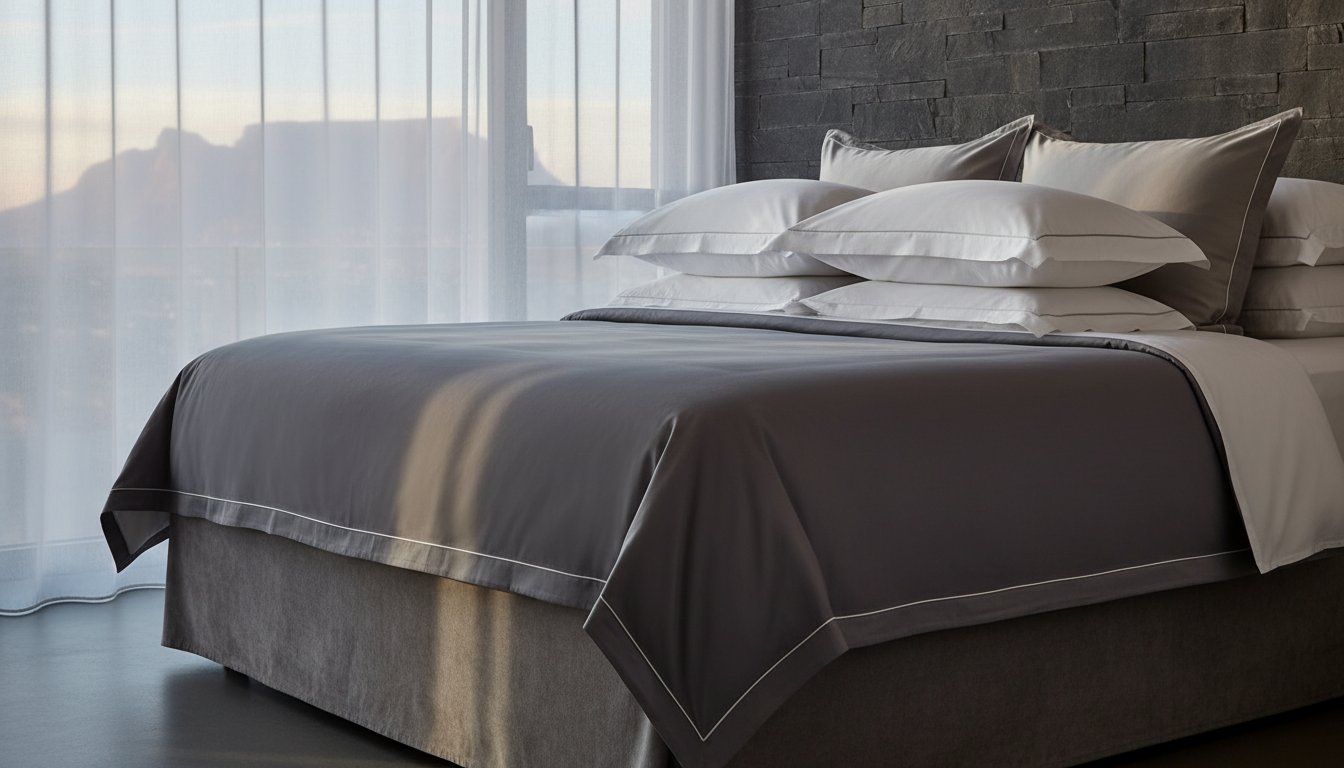
How to Choose the Perfect Pillowcases: A Luxury Selection and Care Guide
Is a higher thread count truly the hallmark of luxury, or is it merely a marketing distraction? With the global home bedding market projected to reach USD 110.69 billion in 2026, many hospitality buyers still struggle to find linens that withstand the rigours of commercial laundering without losing their lustre. You've likely faced the disappointment of premium pillow cases that yellow or bobble after just a few cycles, or perhaps you've struggled with incorrect sizing for South African pillow inners that leaves fabrics looking limp and untidy.
We understand that a sanctuary is built on these tactile details. We'll show you how to choose between the crisp breathability of percale and the silky drape of sateen while ensuring your selections meet the latest 2026 DNA verification standards for Egyptian Cotton. You'll gain a technical understanding of proper laundering cycles and specific sizing, from standard fits to our industry-exclusive Super King XL. By the end of this guide, you'll have the expertise to transform everyday bedding into a durable, five-star investment that delights every guest.
Key Takeaways
- Distinguish between percale and sateen weaves to select the most breathable and durable pillow cases for high-traffic hospitality environments.
- Ensure a precise, tailored fit by mastering South African sizing standards, including the 45x70cm standard and 80x80cm Continental dimensions.
- Implement professional laundering techniques to maintain the crisp, white finish of your linens whilst avoiding common issues like fabric bobbling.
- Explore the operational advantages of local, made-to-order manufacturing for achieving a bespoke aesthetic without the need for large minimum orders.
- Balance guest comfort with cost-effective longevity by choosing the right thread count and fibre blend for your specific property type.
Understanding Pillow Cases: More Than Just a Protective Layer
A pillowcase serves as the primary interface between a guest and their rest. It's the most intimate textile in any room; it's responsible for managing skin oils, moisture, and temperature throughout the night. Whilst many view them as simple protective bags, high-quality pillow cases are sophisticated tools for sleep hygiene. In the South African hospitality sector, which is projected to reach a market value of USD 12.19 billion in 2026, the guest's physical comfort is a non-negotiable metric for success.
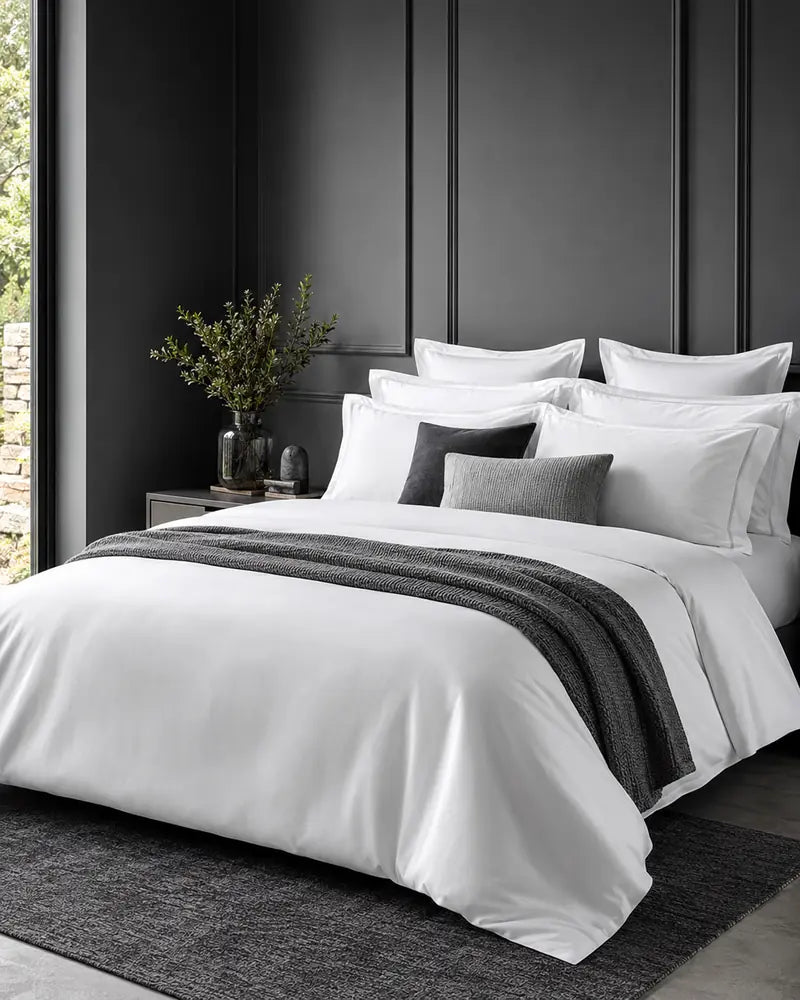
Sensory luxury is often defined by the first touch. When a guest reclines, the immediate sensation of the fabric against their face sets the tone for their entire stay. Choosing premium textiles like our White Cotton Percale 300TC is a value-conscious strategy to elevate the sleep experience without the capital expense of replacing entire mattress sets. By focusing on breathability, you ensure that heat doesn't become trapped, allowing for natural temperature regulation that leads to deeper, uninterrupted sleep. This cooling effect is particularly vital in South Africa's diverse climates, from the humid coast to the dry interior.
The Anatomy of a Premium Pillowcase
The structural integrity of a pillowcase determines its longevity in high-traffic environments. A generous flap closure is essential; it keeps the pillow inner securely encased and prevents it from peeking out, which can ruin the visual symmetry of a dressed bed. Meticulous stitching is equally vital for seam strength. We focus on reinforced finishes that can withstand the mechanical stress of industrial extractors and high-heat pressing. In South Africa, the standard luxury lodge setup typically utilises the 45x70cm standard size or the 50x90cm King size. Understanding the different types of pillowcases, such as the housewife style or the bordered Oxford style, allows designers to layer textures effectively while maintaining a cohesive look.
Why Hospitality-Grade Quality Matters at Home
Commercial-grade linens are engineered for a life of frequent laundering that would shred standard retail options. While retail fabrics often rely on chemical softeners that wash away after a few months, hospitality-grade pillow cases like our Polycotton Percale 200TC rely on the quality of the yarn itself. This creates that coveted "crispness" found in boutique guest houses; it's a tactile signal of cleanliness and precision. Percale is a plain-weave fabric known for its cool, matte finish. By investing in these durable fabrics, residential buyers can enjoy the same five-star endurance that South Africa's leading hotels rely on daily. Our made-to-order model ensures that each piece is crafted with artisanal care rather than mass-produced haste.
Choosing the Right Fabric: Percale vs Sateen and Beyond
Selecting the correct textile is a tactical balance between guest comfort and operational efficiency. The weave of your pillow cases often dictates the quality of sleep more than thread count alone. A fundamental choice exists between the crisp, cool nature of Percale vs. sateen, which offers a heavier, silk-like drape. For most South African boutique hotels, the 200TC Polycotton Percale remains the industry workhorse. It combines the breathability of cotton with the resilience of polyester, making it an economical choice that resists wrinkling during high-occupancy periods.
Properties seeking a more artisanal feel often opt for 100% Cotton Percale in 200TC or 300TC. These fabrics are exceptionally breathable, making them ideal for the intense heat of Gauteng summers or the humidity of KwaZulu-Natal. For executive suites, our 400TC Egyptian Cotton pillow cases provide a level of prestige backed by the 2026 mandatory DNA testing standards, ensuring every fibre is authentic. Meanwhile, our 600TC Sateen offers a lustrous finish that appeals to residential buyers looking for a sanctuary feel. If you're unsure which fabric suits your property's laundry infrastructure, you can explore our full range of hospitality-grade bedding to compare textures.
The Polycotton vs Pure Cotton Debate
Polycotton Percale is highly favoured by large-scale guesthouses because it's easier to iron and dries faster than pure natural fibres. This makes it a cost-effective option for properties without industrial mangles. However, 100% Cotton remains the gold standard for temperature regulation. In the 2026/2027 marketing year, with global cotton prices forecasted to average 78 cents per pound, investing in pure cotton is a commitment to quality that guests notice immediately. While polycotton is more durable against harsh chemicals, pure cotton offers a superior tactile experience that softens with every wash.
The Thread Count Myth Exposed
Don't be misled by retail marketing that suggests higher thread counts always equal better quality. A 200TC Percale made from high-quality long-staple yarn will often outlast a 1000TC Sateen made from inferior, multi-ply yarns that are prone to pilling. Thread count primarily affects the weight and "drape" of the pillowcase. A lower thread count percale feels airy and light, whilst a high thread count sateen feels substantial and warm. For high-frequency laundering, we recommend a 200TC to 300TC range; it provides the perfect intersection of luxury, breathability, and structural endurance.

Sizing and Construction: Finding the Perfect Fit
Achieving a five-star aesthetic begins with a precise fit. In the South African market, a common error involves pairing international-sized cases with local inners, which results in a baggy, unkempt appearance that detracts from the room's sanctuary feel. The Standard South African size for pillow cases is 45x70cm; this ensures a snug fit that supports the pillow's loft without excessive compression. For properties featuring extra-wide beds, the 50x90cm King size is the correct choice to maintain visual proportion and comfort.
One technical detail often overlooked in retail guides is the construction of the closure. In hospitality environments, we exclusively recommend flap closures, often called the housewife style. Unlike buttons, which can crack in industrial mangles, or zips, which often snag and cause guest discomfort, a generous internal flap keeps the inner secure whilst remaining entirely flat. This guide to choosing the right pillowcase highlights how closures impact both durability and ease of care, which are paramount for operational efficiency.
The technical superiority of the flap closure is especially evident in a commercial laundry setting. Buttons are a significant liability; they frequently melt or shatter under the intense pressure and heat of industrial rollers. Similarly, zips can become a point of failure by snagging the fabric during high-speed wash cycles. A 20cm internal flap provides a seamless finish that keeps the inner hidden whilst allowing for rapid changes during room turnovers. This construction choice is a hallmark of hospitality-first design, ensuring the bedding remains functional over hundreds of laundering cycles.
Continental vs Standard: Creating the Layered Look
To organise a bed with professional flair, consider these layering tips to create a sense of depth:
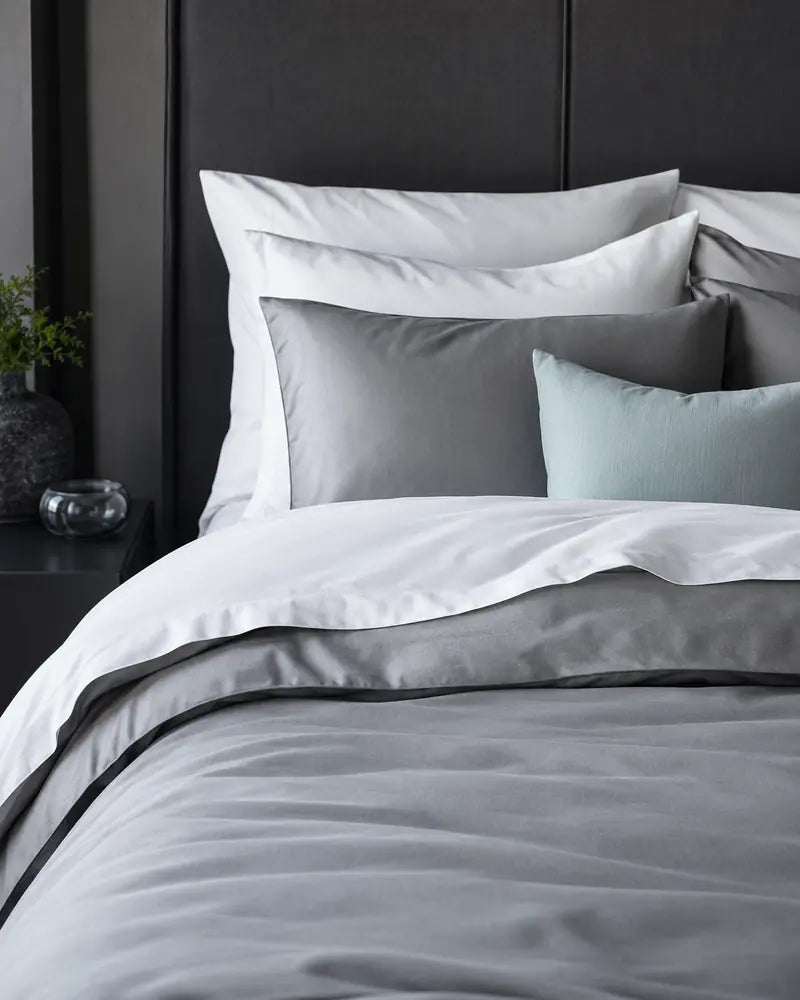
- Place 80x80cm Continental pillows against the headboard for structural height and excellent back support whilst guests are reading.
- Layer standard 45x70cm pillow cases in front to create a tailored, inviting presentation.
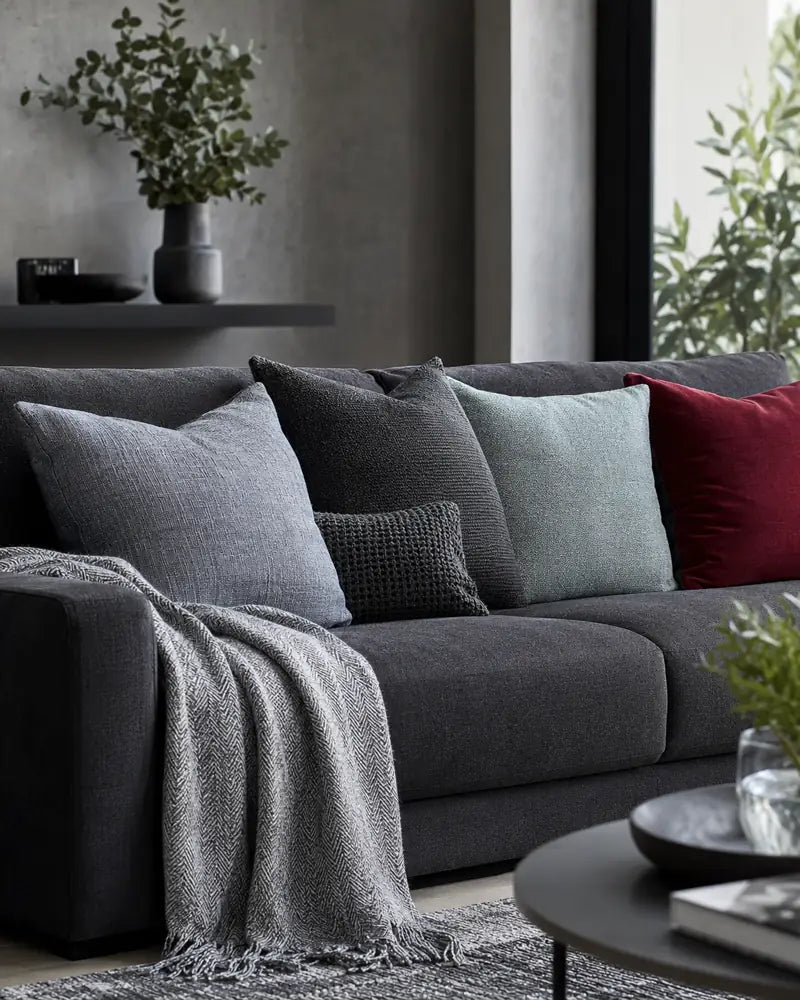
- Mix tonal colours like Duck Egg, Stone, or Grey to achieve the 2026 "anti-set" aesthetic, moving away from rigid, matched sets.
Bespoke Sizing for Unique Requirements
Standard sizes don't always suit the unique architectural demands of luxury lodges or boutique hotels. We specialise in catering to these specific needs through our local manufacturing facility:
- Industry-exclusive sizes like Super King XL and 3/4 XL are available to fit oversized bedding perfectly.
- Our made-to-order process allows for custom dimensions tailored to your specific requirements, with a lead time of 3 to 14 working days.
- Personalised embroidery is available for bespoke branding, which requires an additional 1 to 2 weeks for production.
Because we manufacture to your specific needs, there are no minimum order requirements. Please note that full payment is required before production begins, and custom or personalised items are non-returnable once the manufacturing process has commenced.
- 300 Thread Count Cotton Percale
- 400 Thread Count Egyptian Cotton
- Super King XL bedding
- hospitality pillow inners
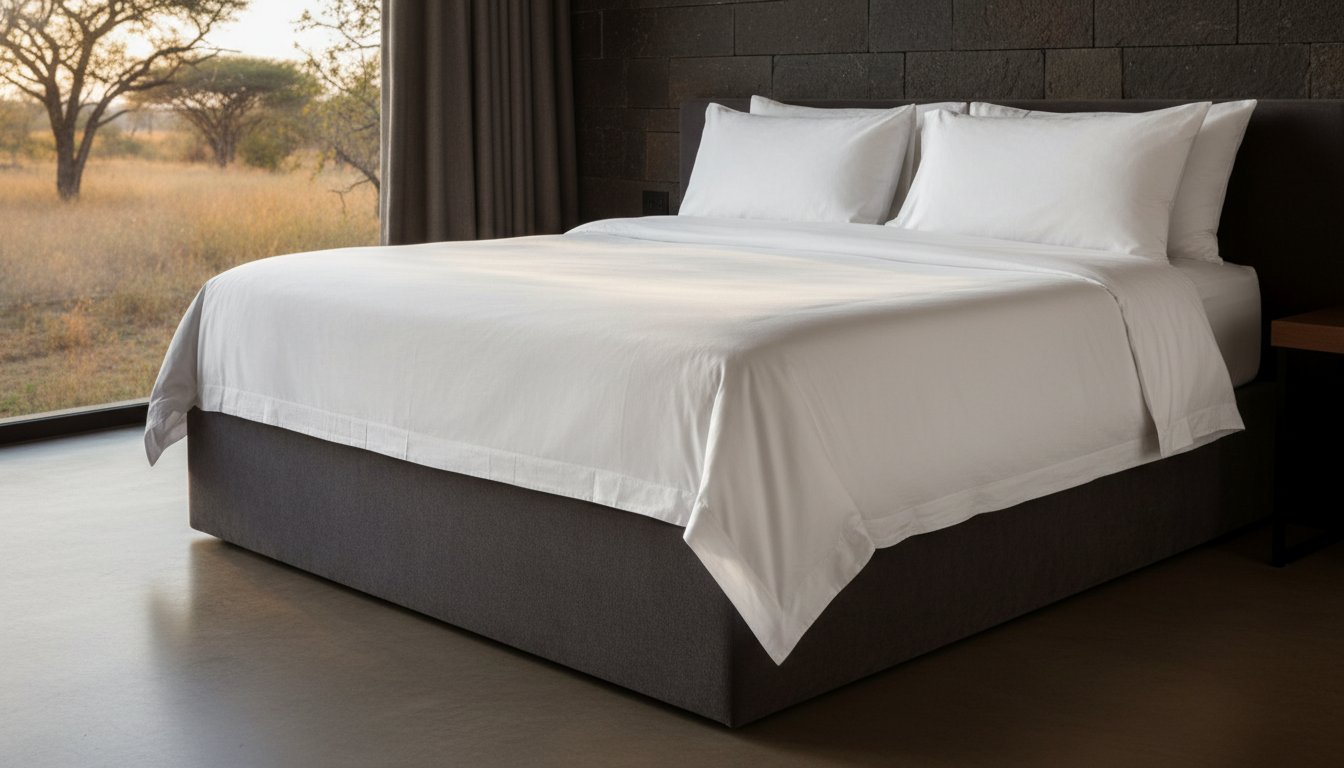
- Standard 45x70cm white cotton percale pillowcase with professional flap closure
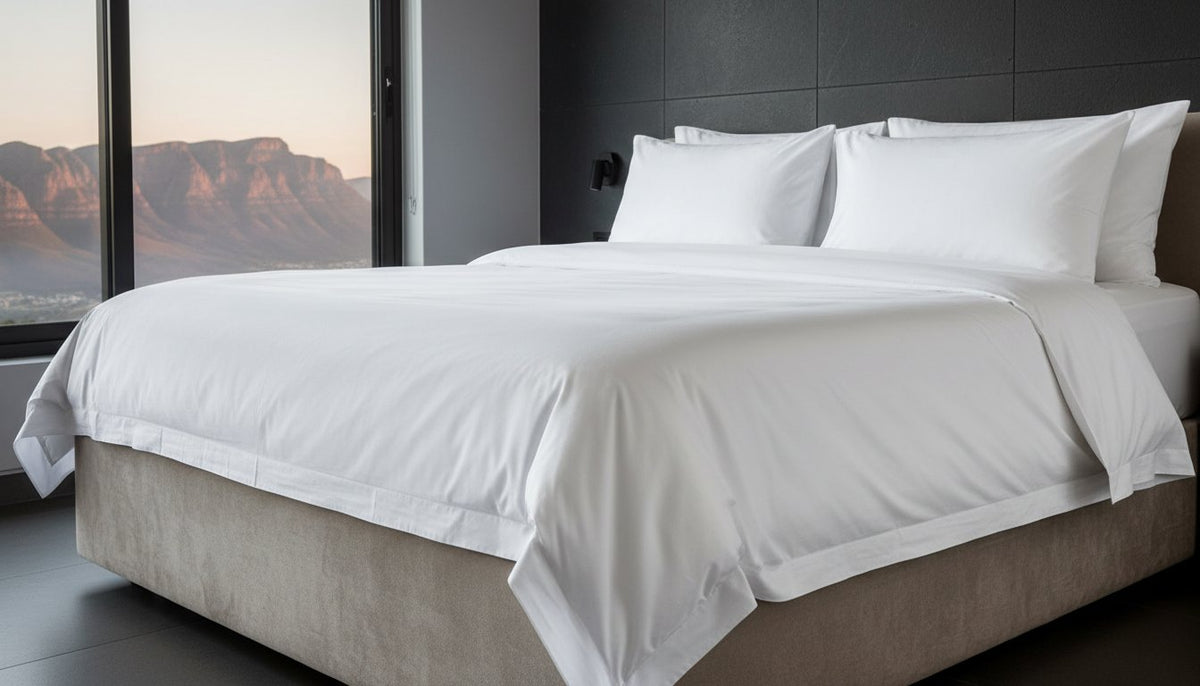
- Layered bed display with Continental 80x80cm and Standard 45x70cm pillows in Duck Egg
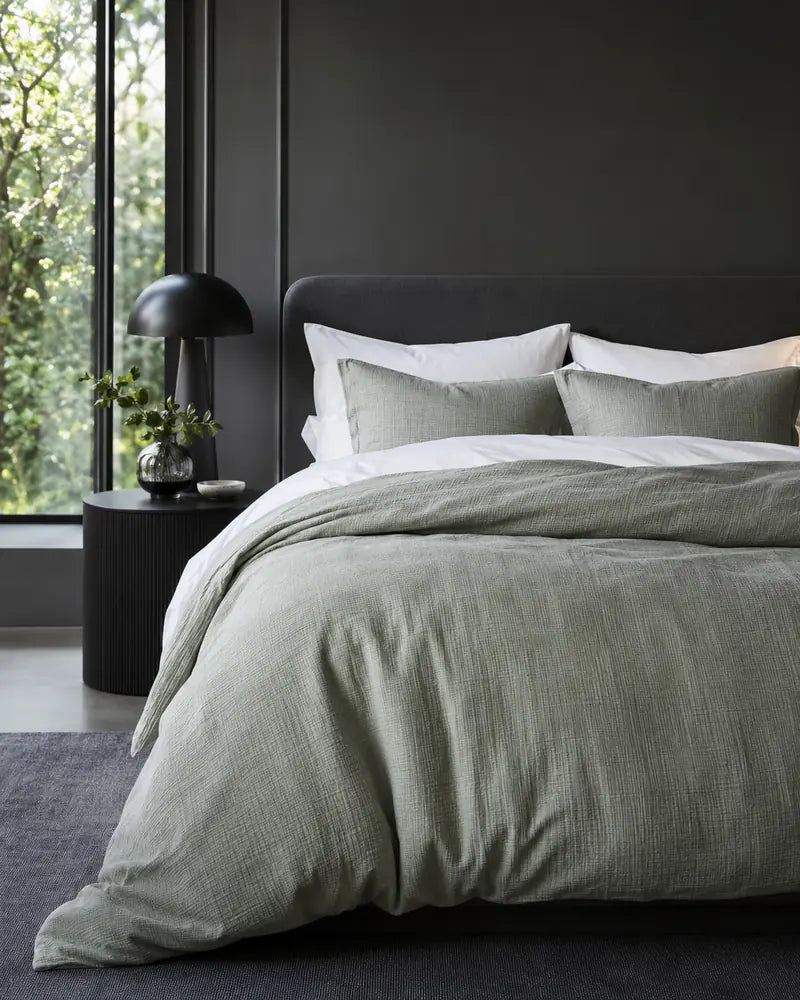
- Close-up of meticulous stitching on a luxury hospitality-grade pillowcase
Laundering and Care: Ensuring Longevity in High-Traffic Environments
Maintaining the integrity of premium pillow cases requires a disciplined approach to laundering. In a commercial setting, the goal is to balance hygiene with the preservation of the fabric's tactile quality. For white linens, a wash temperature of 60°C is the industry standard for sanitisation. This effectively removes skin oils and bacteria without causing the premature breakdown of high-quality cotton fibres. Coloured linens, such as our Stone or Duck Egg palettes, should be washed at a more temperate 40°C to prevent pigment migration and maintain vibrancy over time.
Achieving a professional finish starts with the drying process. We recommend removing linens from the tumble dryer whilst they are still slightly damp. This "conditioned" state makes ironing more efficient and results in the crisp, smooth surface that defines luxury guest houses. Avoid the excessive use of chlorine bleach; it weakens the molecular bonds of the cotton, leading to thinning and a harsh, scratchy feel. Instead, opt for oxygen-based whiteners which are gentler on the meticulous stitching of our hospitality-grade products.
The Commercial Laundering Cycle
Operational success in South African lodges often hinges on par stock management. To prevent premature wear, you should maintain a minimum par of three, though four is preferable for high-occupancy environments. This allows one set to be on the bed, one in the wash, and one resting in the linen room. Resting linen for 24 hours after ironing helps fibres recover their natural strength. Common mistakes, such as overloading machines or using too much detergent, lead to greyish whites. These residues act as a magnet for dirt, eventually ruining the guest's sensory experience.
Maintaining Your Investment
Effective stain management is essential for protecting your bottom line. Under the Consumer Protection Act (No. 68 of 2008), all our textiles feature permanently affixed labels with care instructions in English to guide your staff. Treat spills immediately with professional-grade spotters before the heat of the laundry cycle sets the stain. When storing spare pillow cases, ensure the linen room is well-ventilated and dry to prevent mustiness. Rotating your stock ensures that every item in your inventory experiences even wear, extending the collective lifespan of your linens.
Because our items are made-to-order with lead times of 3 to 14 working days, planning your inventory replenishment is vital. Remember that full payment is required before production begins, and custom items with embroidery, which takes an additional 1 to 2 weeks, are non-returnable. To ensure your staff are equipped with the best tools for the job, you can view our complete range of durable hospitality linens designed for commercial endurance.
The Linen and Co Advantage: Crafted for South African Hospitality
Choosing Linen and Co means investing in the heritage of South African craftsmanship. Our pillow cases are not pulled from a generic warehouse shelf; they are meticulously crafted to order in our local facility. This commitment to local manufacturing serves as a badge of ethical pride and ensures that every item meets a world-class standard of elegance. By supporting local industry, we bypass the complexities of mass-produced imports, allowing us to provide superior value whilst maintaining the artisanal quality that defines our brand as a sanctuary for sleep.
The made-to-order model prioritises quality over mass production. Our standard lead time of 3 to 14 working days is a deliberate choice; it allows our team to focus on the technical precision of every stitch and the integrity of every seam. We've removed the barrier of minimum order requirements, making our collection accessible to small boutique lodges and luxury residential buyers alike. Please be aware that full payment is required before production begins. Because each item is tailored to your specifications, custom or personalised products are non-returnable once the manufacturing process has commenced.
Personalisation and Trade Support
We act as a knowledgeable guide for interior designers and decorators through our consultative sizing assistance. Whether you require a bespoke dimension for a unique project or need to match specific colour palettes across a property, we ensure the fit is impeccable. For guest houses looking to elevate their branding, we offer custom embroidery for a truly personal touch. This specialised service typically requires an additional 1 to 2 weeks for production beyond our standard lead times. We invite trade partners to request fabric samples or comprehensive quotes to experience the tactile richness of our percales before committing to a large-scale project.
Ready to Transform Your Sleep Experience?
From the initial selection of a breathable weave to the final meticulous press, our process is designed to create a sanctuary in every bedroom. We remain committed to the idea that luxury should be an everyday experience, providing durable, timeless linens that withstand the pressures of hospitality use whilst maintaining their welcoming warmth. Our team is ready to assist you with quotes, samples, or sizing advice to ensure your investment delivers lasting comfort and a refined aesthetic. Explore our made-to-order pillow case collection and discover the serene quality of locally crafted textiles.
Elevate Your Guest Experience with Local Craftsmanship
Mastering the selection of premium pillow cases is more than an aesthetic choice; it's a strategic investment in your guests' comfort and your property's operational efficiency. By prioritising breathable weaves over thread count hype and implementing the 24-hour rest rule for laundered fibres, you ensure your linens remain a source of sensory delight for years. We've explored how precise South African sizing and durable flap closures eliminate common failures found in standard retail options.
As a trusted partner to boutique lodges and interior designers, Linen and Co remains dedicated to the art of local manufacturing. Every piece is crafted with artisanal care through our made-to-order model, ensuring that quality is never sacrificed for speed. Whether you're dressing an executive suite or a coastal retreat, our team is here to provide the consultative support and bespoke sizing your project deserves.
Request a personalised quote for your hospitality linen needs and discover the enduring value of South African craftsmanship. We look forward to helping you create a sanctuary that feels as beautiful as it looks.
Frequently Asked Questions
What is the standard size for pillow cases in South Africa?
The standard size for pillow cases in South Africa is 45x70cm. This specific dimension ensures a tailored fit for local pillow inners, preventing the fabric from bunching or appearing limp. Whilst international dimensions can vary, using the 45x70cm standard is essential for achieving the crisp, professional aesthetic found in luxury lodges. We also offer Continental sizes at 80x80cm and King sizes at 50x90cm to accommodate diverse bed styling preferences.
Can I order custom-sized pillowcases for my lodge?
Yes, we provide bespoke sizing for unique requirements through our local manufacturing facility. Because we manage the production process from start to finish, we can create pillow cases in any dimension, including industry-exclusive sizes like Super King XL. This service is particularly beneficial for interior designers working with custom furniture or oversized bedding. Simply provide your required measurements, and our consultants will assist you in achieving an impeccable fit.
How long does it take to manufacture my order?
Standard orders typically have a lead time of 3 to 14 working days. This period allows our team to apply meticulous artisanal care to every item, ensuring the structural integrity of the seams and the quality of the finish. If your order includes personalised embroidery, please allow an additional 1 to 2 weeks for production. We commence manufacturing as soon as full payment is received, maintaining a steady rhythm that prioritises quality over mass production.
What is the best fabric for pillowcases that need frequent washing?
Polycotton Percale 200TC is the most durable choice for hospitality environments that require frequent laundering cycles. This fabric blend is specifically engineered to withstand the rigours of commercial washing whilst remaining easy to iron and resistant to pilling. It's a value-conscious option that maintains its crisp feel and white vibrancy over time. Properties seeking a more natural touch often choose our 100% Cotton Percale, which offers exceptional breathability for South African climates.
Is it possible to add my logo to the pillowcases?
Personalised embroidery is available for all our bedding ranges to help you establish a sophisticated brand identity. Adding a logo to your linens is a timeless way to elevate the guest experience and create a cohesive look across your property. This service is popular amongst boutique guest houses and luxury lodges looking for that artisanal touch. Please factor in an extra 7 to 14 days for the embroidery process when planning your inventory replenishment.
Why are my white pillowcases turning yellow and how can I prevent it?
Yellowing is often caused by a buildup of body oils or a reaction between proteins and chlorine bleach. To prevent this, wash your linens at 60°C to ensure proper sanitisation and the effective removal of organic matter. Avoid harsh chemicals and opt for oxygen-based whiteners, which are gentler on the fibres. Rotating your stock and ensuring you have a par levels of at least three sets per bed will also allow fibres to rest and recover.
What happens if I need to return a custom-made order?
Custom or personalised items are non-returnable once the production process has commenced. Because these pieces are manufactured to your specific dimensions or include bespoke branding, they cannot be resold. We encourage all clients to utilise our consultative sizing assistance and request fabric samples before confirming a large order. This ensures that every technical specification is correct before we begin the meticulous work of crafting your bespoke linens.
Do you have a minimum order quantity for hospitality clients?
We do not have any minimum order requirements for our hospitality or residential clients. This flexibility allows you to top up your linen sets as needed without the burden of bulk purchasing. Whether you are a small guesthouse needing a few replacements or a large hotel undergoing a full refurbishment, we provide the same level of dedicated service. Full payment is required before we begin production on any order, regardless of its size.