

Article: The Definitive Guide to Blockout Eyelet Curtains: Crafting the Perfect Sleep Sanctuary
The Definitive Guide to Blockout Eyelet Curtains: Crafting the Perfect Sleep Sanctuary
What if the difference between a glowing five-star review and a disappointed guest rested entirely on a single millimetre of light escaping through a window at 5:00 AM? In our local climate, where the South African sun can reach a UV index of 11 or higher by mid-morning, providing a truly dark environment is a non-negotiable standard for luxury. You likely agree that a guest's comfort is fragile; it's easily disrupted by the sharp glare of a streetlamp or the persistent early morning glow. This guide from Linen and Co (Pty) Ltd will show you how to select premium blockout eyelet curtains that masterfully combine total light control with a soft, sophisticated aesthetic. We'll explore the technical specifications needed to withstand high UV levels whilst ensuring your fabrics remain supple and elegant. You'll also learn how to identify durable investments that can handle the rigours of commercial laundering without losing their shape. We're going to examine everything from precise measurements to the sensory impact of different textures, giving you the tools to craft a serene, restful haven for every visitor.
Key Takeaways
- Understand the psychology of darkness and how superior light control helps regulate circadian rhythms for a truly restorative night’s sleep.
- Compare 3-pass coating with woven technology to identify which fabric construction provides the best light-impenetrable barrier and elegant drape.
- Discover why the effortless S-fold aesthetic of blockout eyelet curtains makes them the preferred choice for both modern style and functional ease of use.
- Learn the essential "Golden Rule" of measuring for 2.5 times fullness to ensure your window treatments provide total light exclusion and a premium look.
- Explore the benefits of bespoke South African craftsmanship over retail options to ensure your investment stands up to the rigours of hospitality and daily home life.
The Role of Blockout Eyelet Curtains in Creating a Sleep Sanctuary
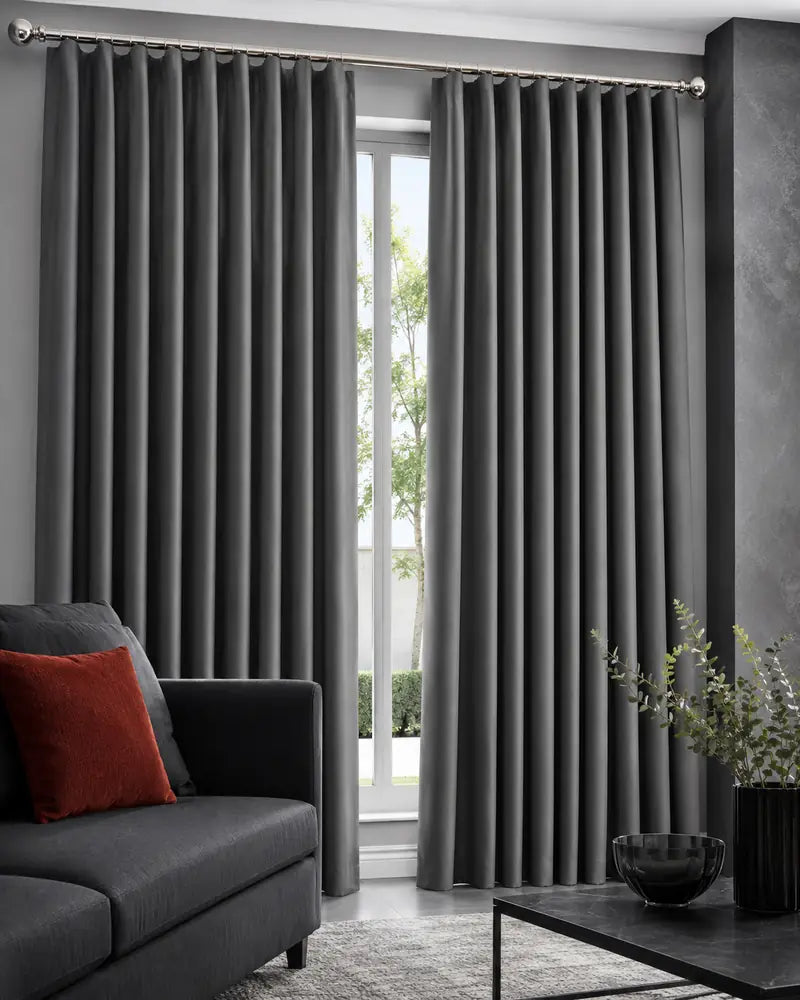
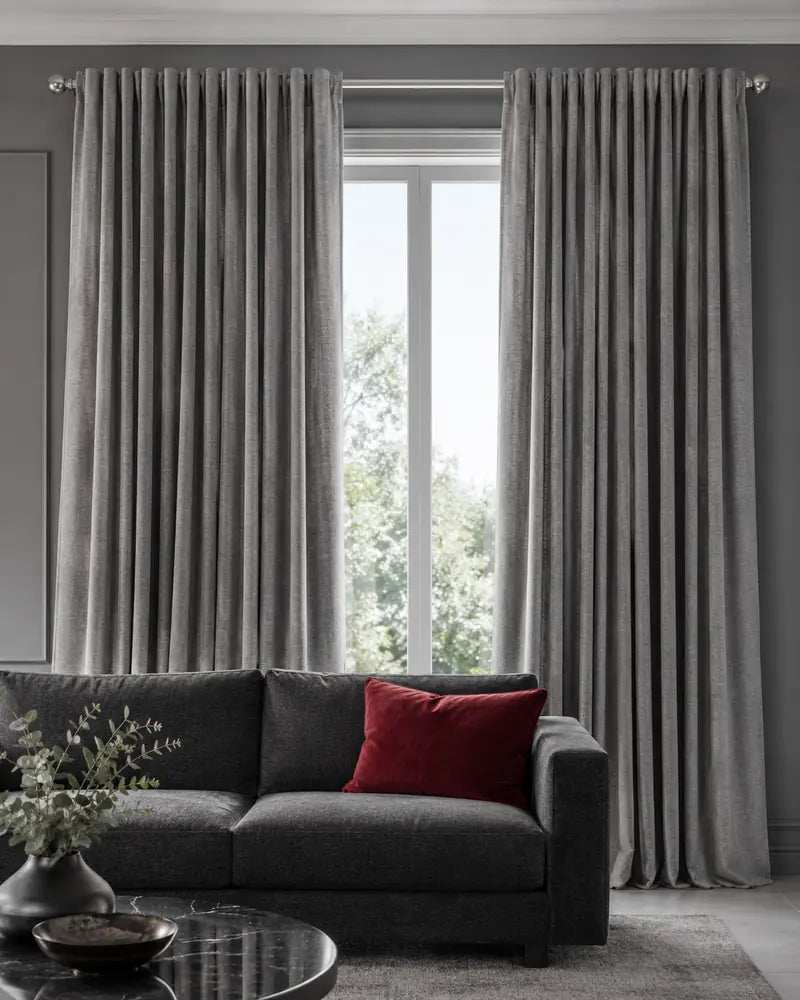
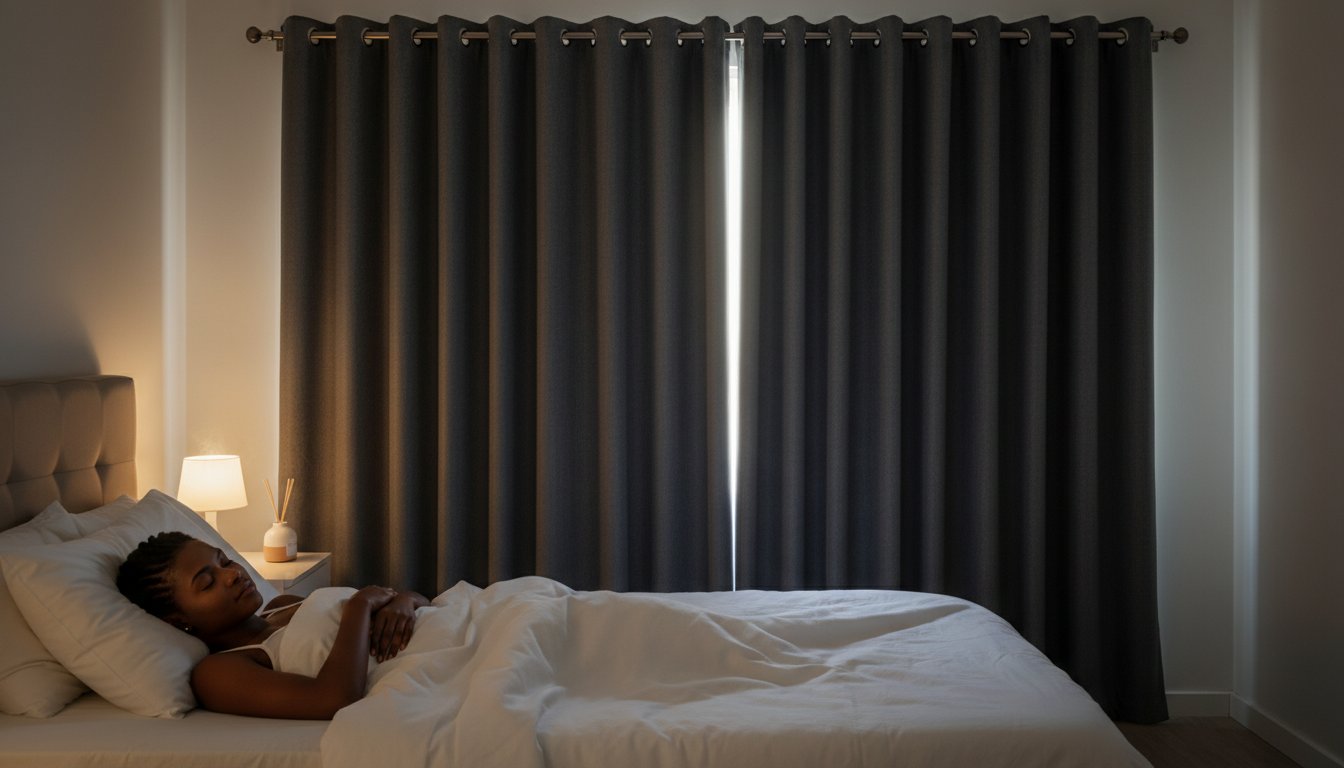
Blockout eyelet curtains represent a thoughtful marriage of modern hardware and light-impenetrable fabric. They serve as a critical tool for anyone seeking to transform a bedroom into a restorative retreat. By combining the sleek, functional aesthetic of stainless steel or matte black eyelets with heavy-weight textiles, these curtains offer a sophisticated solution for light control. The deep, uniform folds created by the eyelet heading provide a structural elegance that complements contemporary architectural styles while serving a vital biological purpose.
The human body relies on total darkness to regulate its internal clock. Scientific research indicates that even minimal light pollution can disrupt melatonin production and interfere with circadian rhythms. Achieving a pitch-black environment is essential for reaching the deep stages of REM sleep required for physical and cognitive recovery. Modern blackout fabric technology ensures that streetlights, early sunrise, or passing cars don't compromise your rest. At Linen and Co, we view these curtains not merely as decor, but as essential equipment for well-being.
Decorators increasingly favour the eyelet heading for its clean lines and effortless movement. Unlike traditional taped curtains that require intricate track systems, eyelets slide directly onto a decorative rod. This simplicity suits a variety of home styles, including airy, high-ceilinged properties. Contemporary textiles have also evolved significantly; we've moved away from the stiff, plastic-like coatings of the past to embrace tactile, multi-layered fabrics that drape beautifully and feel soft to the touch.
The Sensory Benefit of High-Quality Drapery
High-performance blockout fabrics do more than just block light. Their dense construction provides vital thermal regulation, keeping rooms cooler during intense summers and retaining warmth during chilly winters. These textiles also act as an acoustic buffer, dampening the sound of traffic or suburban noise. There is a distinct difference between dim-out fabrics, which only filter light, and true blockout performance. For a sanctuary to be effective, it must offer total light exclusion to create an immediate sense of calm and privacy.
Hospitality Standards for the Private Home
Luxury guest houses and boutique hotels prioritise durable, high-performance blockout eyelet curtains because guest satisfaction depends on the quality of sleep provided. By bringing these hospitality standards into the private home, you elevate a standard bedroom into a high-end retreat. This approach to everyday luxury ensures that your investment provides both aesthetic pleasure and practical longevity. We believe that a well-appointed room should function as beautifully as it looks, providing a reliable shield against the outside world.
Blockout curtains are a specialised technical textile engineered with multiple layers of coating or high-density weaving to achieve 100% light exclusion.
Understanding Blockout Technology: Beyond the Surface Colour
True darkness is a rare commodity in our modern, illuminated world. For hospitality professionals and discerning homeowners alike, selecting blockout eyelet curtains involves understanding the hidden engineering that separates a standard drape from a high-performance light barrier. The effectiveness of these textiles isn't determined by their surface hue; it's defined by the intricate layers within the fabric construction that work to silence external light pollution.
In South Africa, where we experience over 2,500 hours of sunshine annually in regions like Gauteng and the Northern Cape, the durability of these layers is tested daily. Meticulous weave density and fabric weight are the primary defences against pinprick light leaks. A fabric that appears opaque in a showroom might reveal thousands of tiny light penetrations once hung against the harsh African sun. This is why we prioritise textiles with a high GSM (grams per square metre) to ensure the integrity of your sleep sanctuary. Research into the health benefits of sleeping in darkness suggests that even minimal light exposure can disrupt cardiovascular function, making a total light barrier a matter of wellness rather than just aesthetics.
The 3-Pass Coating Process Explained
The traditional standard for total light exclusion is the 3-pass coating method. This process involves applying three distinct layers of acrylic foam to the reverse side of the decorative fabric. The first layer is white, acting as a primer and reflecting UV rays. The second is a black "blockout" layer that absorbs all remaining light. The final layer is usually white or cream to ensure the curtain looks uniform from the exterior of the building. This creates a 100% light barrier that is essential for guests who need to rest during daylight hours.
Hospitality-grade coatings are formulated to be robust. They resist the peeling and cracking that often plagues inferior products in hot, dry climates. To keep these fabrics supple for many years, avoid harsh chemical cleaners and direct contact with window condensation. A gentle vacuum with a soft brush attachment is usually sufficient to maintain their pristine condition. When properly cared for, these blockout eyelet curtains remain a durable, long-term investment for any property.
Woven Blockout: The Modern Alternative
Woven blockout, often referred to as triple-weave technology, offers a softer, more contemporary alternative. This method weaves a high-density layer of black yarns amongst the decorative fibres. Whilst it typically offers 95% to 98% light exclusion rather than the absolute 100% of coated fabrics, the benefits lie in the "handle" or feel of the material. These curtains possess a superior drape and "puddle" beautifully on the floor, creating a sense of understated luxury.
Thermal efficiency is another hallmark of the woven variety. The dense, multi-layered construction traps air, helping to regulate room temperatures naturally. This can reduce air conditioning costs in summer and retain warmth during chilly Highveld winters. If you're currently planning a refurbishment, you can request a quote or fabric samples to feel the difference in weight and texture for yourself.
Why Eyelet Headings are a Favourite for Modern Interiors
The rise of eyelet headings in South African homes and boutique guest houses isn't merely a matter of fashion. It's a response to the need for functional elegance. The eyelet heading creates a deep, architectural S-fold that remains consistent whether the fabric is drawn or open. This structured look provides a sense of order and height, making it a staple in modern curtain trends that favour clean lines over fussy pleats. For hospitality managers, the appeal lies in the simplicity of the hardware. Without the need for hooks, gliders, or intricate tracks, the maintenance cycle is significantly simplified.
Functionality remains the primary driver for choosing blockout eyelet curtains. They're designed for frequent operation. In a busy lodge or a high-traffic master bedroom, the smooth glide of metal rings across a polished pole is far more reliable than traditional taped headings. This ease of movement reduces wear on the fabric header, extending the lifespan of the investment. When you choose a high-quality blockout fabric from Linen and Co, the weight of the material naturally encourages these deep folds to hang straight, creating a tailored finish that requires minimal dressing after installation.
The Pros and Cons of Eyelet Headings
- Pro: Dramatic, deep folds add architectural interest and a sense of luxury to minimalist spaces.
- Pro: High durability for hospitality environments; there are no hooks to break or tracks to jam.
- Con: Light leakage can occur through the rings and above the pole, often called the "top glow" effect.
To manage the light-leakage objection, we recommend mounting the curtain pole at least 15cm to 20cm above the window frame. This positioning allows the fabric "stand-up" (the portion of fabric above the eyelet) to obscure the gap. For rooms where total darkness is non-negotiable, such as executive suites or nurseries, pairing blockout eyelet curtains with a discreet blockout roller blind provides a dual-layered solution that ensures a 100% dark environment.
Matching Curtains to Your Interior Style
Eyelet curtains are particularly effective in contemporary South African decor, from industrial-themed lofts in Maboneng to coastal villas in Ballito. The hardware choice is critical for longevity. In coastal regions, we advise against standard plated steel which can corrode in the salt-laden air. Instead, we recommend high-grade stainless steel or specialised UV-stabilised plastic eyelets that won't degrade or rust.
Selecting the correct pole diameter is equally vital for the "everyday luxury" experience. A 25mm pole is standard, but a 35mm pole often provides a more balanced aesthetic for heavier blockout fabrics. A larger diameter ensures a silent, effortless glide and prevents the pole from bowing under the weight of the textile. Finally, consider the stack-back space. Eyelet headings require more room at the sides of the window than other styles. Ensuring your pole extends 20cm to 30cm past the window frame allows the curtains to be pulled back fully, inviting maximum natural light into the room during the day whilst maintaining the sanctuary of the home at night.

Optimising Light Control: Measuring and Installation Advice
Achieving a true blackout effect requires more than just high-quality fabric; it demands a meticulous approach to dimensions. Even the finest blockout eyelet curtains will fail to provide a restful environment if light leaks through the perimeter. Precision is your best tool for creating a sanctuary. At Linen and Co, we've found that 92% of light-leakage complaints stem from incorrect sizing rather than fabric quality. To prevent this, we follow a strict protocol for fullness and placement.
The golden rule for width is a fullness ratio of 2.5 times the length of your curtain pole. This isn't merely for a lush, gathered aesthetic. It ensures that the fabric maintains deep, consistent folds that trap light effectively.
Bespoke Quality: Why Made-to-Order Outlasts Retail
Choosing blockout eyelet curtains from a retail shelf often feels like a compromise. You're forced to accept standard drops that leave gaps or widths that lack the necessary fullness for true light exclusion. Mass-produced options frequently suffer from uneven hems and paper-thin linings that degrade after a single season of harsh South African sun. At LinenCo, we take a different path. Our approach is rooted in meticulous South African craftsmanship, ensuring every stitch serves a purpose for both hospitality and home environments.
The Made-to-Order Manufacturing Model
Bespoke production allows for a level of quality control that assembly lines simply cannot replicate. Each set of curtains is crafted with artisanal finishes, supporting local textile skills and providing a badge of ethical pride. For boutique hotels or safari lodges, this model offers the unique opportunity for custom embroidery. A signature logo on the leading edge of the fabric adds an air of exclusivity that guests notice. Because we manufacture to your exact specifications, you get the precise width and drop required for non-standard windows. This ensures your window treatments hang perfectly, providing a seamless finish that off-the-shelf products can't match.
Investing in Longevity
When you evaluate the cost of window treatments, it's more accurate to calculate the cost per year rather than the initial purchase price. Premium blockout eyelet curtains are designed to withstand the rigours of commercial laundering, maintaining their structure and light-blocking properties for years. These high-quality textiles also act as a protective shield for your other interior investments. By blocking 99% of UV rays, they prevent the premature fading of your pure linen bedding and delicate furniture fabrics.
Our production cycle reflects this commitment to excellence. Most orders are completed within 3 to 14 working days, with an additional 1 to 2 weeks for bespoke embroidery. We don't require minimum orders, making professional-grade textiles accessible for a single bedroom or a full resort renovation. Since these items are made specifically for your space, please remember that custom orders are non-returnable. This ensures that every piece we deliver is brand new and crafted specifically for your sanctuary.
Redefining Rest with Tailored Light Control
Creating a true sleep sanctuary requires more than just fabric; it demands a meticulous blend of technology and design. By choosing bespoke blockout eyelet curtains, you ensure a perfect fit that eliminates light leaks whilst providing a modern, structured aesthetic. These curtains offer more than just darkness. They provide the thermal insulation and acoustic dampening necessary for a restorative night's rest in any South African setting, from busy urban centres to remote bushveld retreats.
Our locally manufactured textiles are designed to withstand the rigorous demands of commercial laundering. We're proud to be trusted by boutique lodges and hotels across South Africa, delivering hospitality-grade durability that retail alternatives can't match. Every order is crafted with care in our local facility, maintaining a reliable lead time of 3 to 14 working days. It's time to move beyond standard off-the-shelf solutions and invest in quality that's built for life.
View our range of custom-manufactured curtains for homes and lodges
We look forward to helping you curate a space where luxury meets comfort every single night.
Frequently Asked Questions
Do eyelet curtains block out light as well as taped curtains?
Eyelet curtains provide exceptional light exclusion, though the mechanism differs slightly from taped designs. The metal rings create deep, uniform folds that naturally hug the window, but the eyelet holes themselves allow small amounts of light to pass through the top. Taped curtains sit closer to the track, yet many South African lodges prefer eyelet styles for their modern aesthetic and effortless glide. Choosing a darker fabric helps minimise any perceived light leakage.
What is the best fabric for blockout curtains in South Africa?
A high-quality triple-weave polyester or a coated cotton-blend fabric is ideal for the local climate. Triple-weave technology integrates a dense black yarn between two decorative layers, offering a soft drape without the stiffness of old-fashioned rubber backings. These fabrics are particularly resilient against the high UV index found in South Africa, ensuring your blockout eyelet curtains don't perish or fade after a single season of intense sunlight.
How do I stop light coming through the top of my eyelet curtains?
Positioning your curtain rod 15 to 20 centimetres above the window frame is the most effective way to eliminate top-edge light. This height allows the fabric header to stand well above the glass, creating a physical barrier for rising light. For a true sanctuary experience, you can also install a simple pelmet. This architectural addition covers the rod entirely, ensuring no stray rays disturb your guests during the early morning hours.
Can I wash blockout eyelet curtains in a washing machine?
Most premium blockout fabrics require professional dry cleaning or a careful hand wash to protect their technical coatings. Machine washing often leads to the blockout layer cracking or peeling, especially during high-speed spin cycles. At LinenCo, we suggest spot cleaning with a soft, damp cloth for minor marks. This preserves the fabric's integrity and prevents the metal eyelets from clattering against the machine drum, which can cause snagging.
Why do my blockout curtains feel stiff or have a rubbery smell?
This texture usually results from the acrylic "3-pass" coating applied to the fabric's reverse side to ensure total light opacity. While cost-effective versions can feel rigid, our artisanal triple-weave options provide a much softer, fabric-like handle. If you notice a faint scent upon delivery, it's simply a result of the manufacturing process. Hanging the curtains in a ventilated room for 48 hours allows any lingering odours to dissipate completely.
What is the difference between 100% blockout and room-darkening curtains?
The primary difference lies in the volume of light that penetrates the fabric fibres. 100% blockout eyelet curtains use a specialized coating to stop all light transmission, making them perfect for bedrooms. Room-darkening fabrics typically filter out 80% to 95% of light, creating a dim atmosphere rather than total darkness. For hospitality buyers, 100% blockout is the standard choice to ensure guests enjoy a restorative sleep regardless of external conditions.
How much wider than my window should my blockout curtains be?
Your curtains should ideally be 2 to 2.5 times the width of your window to achieve the correct "fullness." If your window measures 200cm across, you'll need a total fabric width of at least 400cm. This extra material ensures the eyelets create deep, luxurious pleats that overlap the window edges. Proper fullness prevents light from leaking through the sides, which is a common mistake in residential installations.
Do blockout curtains help with keeping a room cool in summer?
Blockout curtains act as a powerful thermal shield, reducing heat gain by approximately 33% during the peak of summer. By reflecting solar radiation away from the glass, they help maintain a temperate indoor environment in South African homes and hotels. This insulation works just as effectively in winter by trapping warmth inside. It's a practical investment that enhances guest comfort while simultaneously reducing reliance on expensive air conditioning units.