

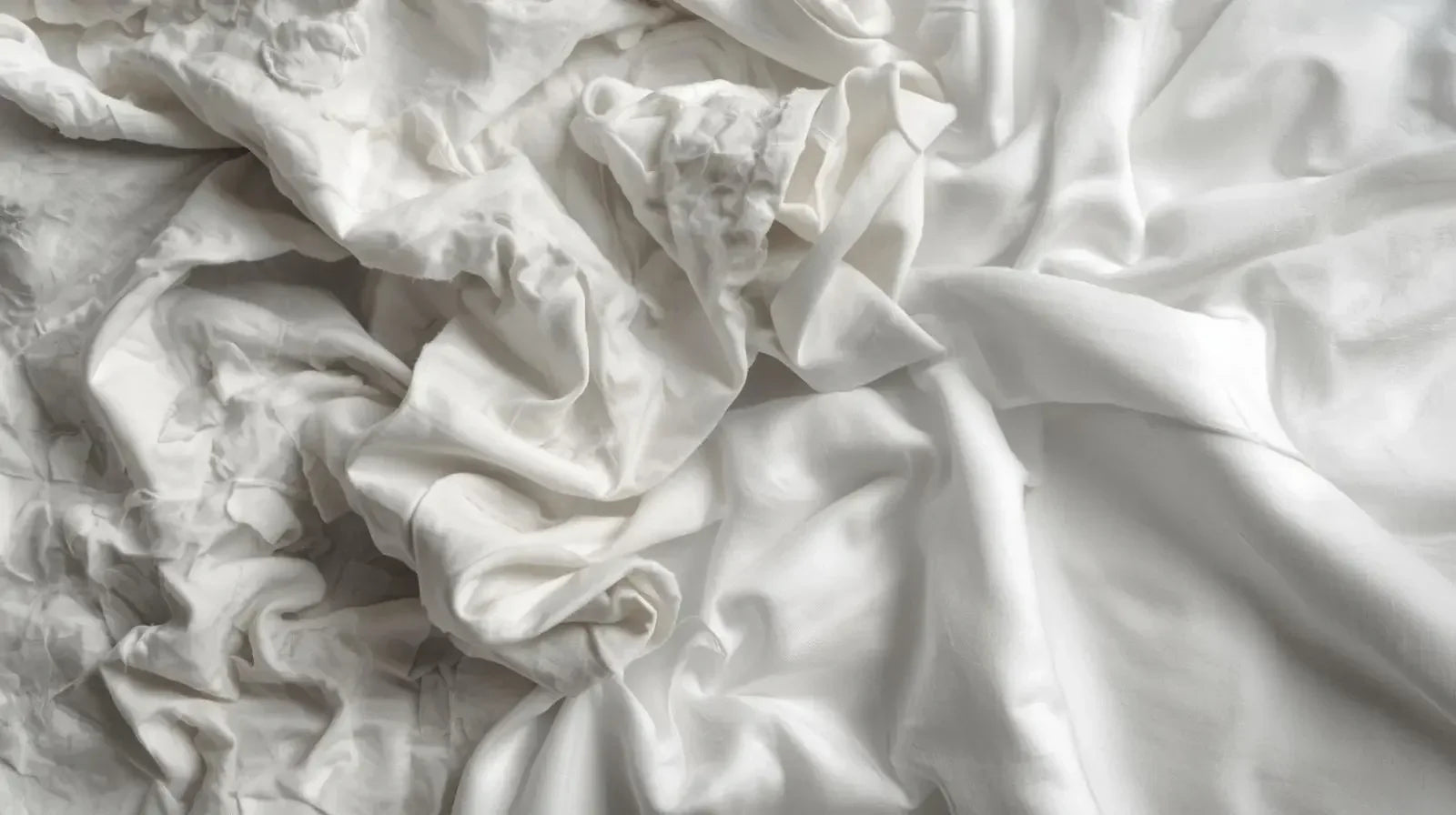
Why No-Iron T-Shirt Bed Linen Fails in Hospitality
The appeal is obvious. No-iron T-shirt bed linen promises soft feel, easy care, and no ironing. For a busy hospitality operator, that sounds like a practical solution. But the fabric structure that makes it feel comfortable in a retail setting is exactly what makes it fail in a commercial hospitality environment.
What Is No-Iron T-Shirt Bed Linen?
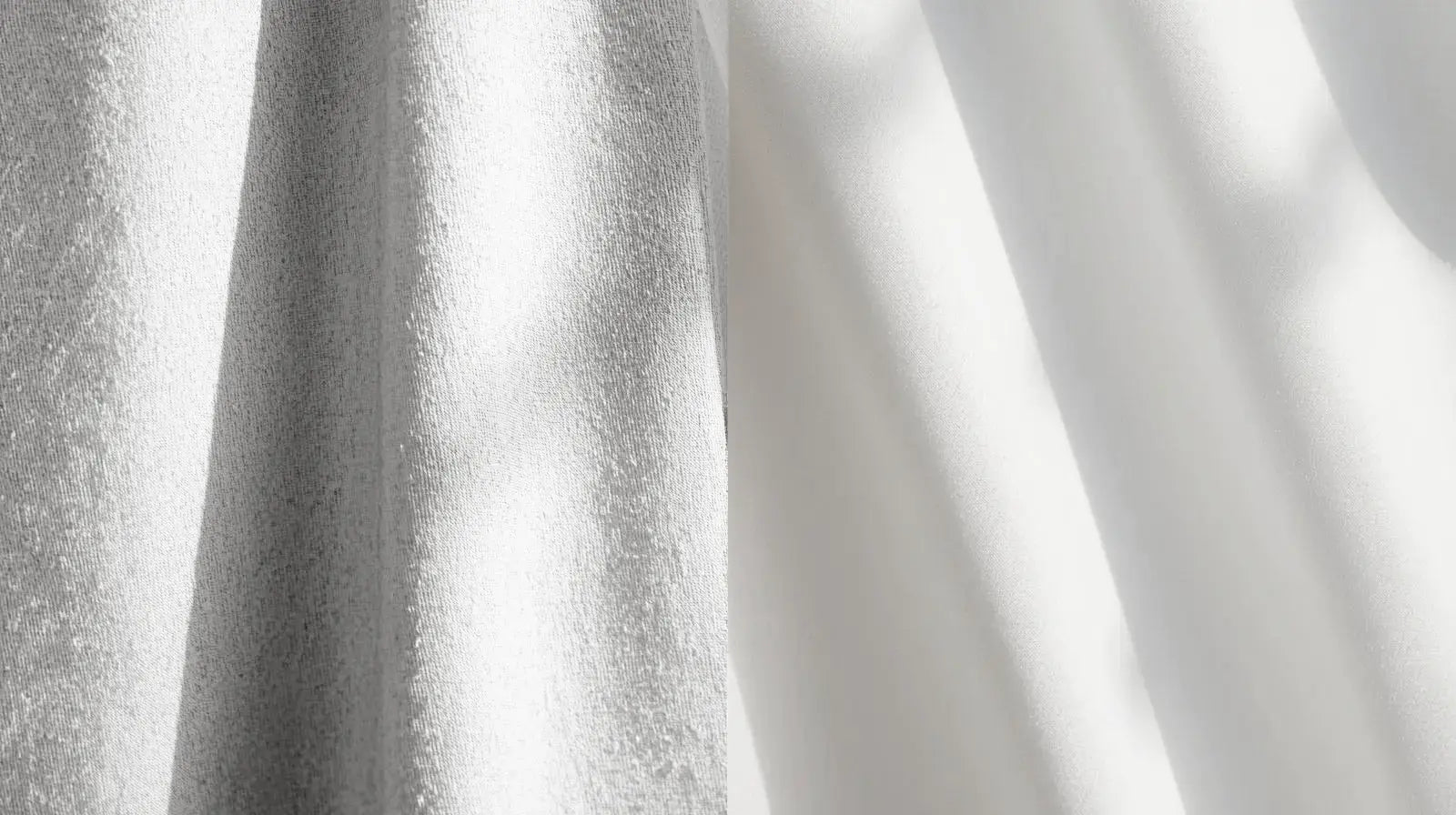
No-iron T-shirt linen is made from a jersey knit fabric — the same construction used in t-shirts and casual knitwear. Unlike woven fabrics such as percale, jersey is a knitted structure with inherent stretch. It's typically made from 100% cotton or a cotton blend, and its soft, stretchy feel is a result of the knit loop construction rather than the fibre quality.
That knit structure is the problem.
What Happens to Jersey Knit in Commercial Laundry
Commercial laundering at 60°C–90°C is a fundamentally different environment from a domestic washing machine. The combination of high temperature, mechanical agitation, and industrial detergents is what jersey knit cannot withstand consistently:
- Pilling and bobbling: The looped knit fibres break down and tangle under agitation, producing surface pills within 20–50 wash cycles. A pilled sheet on a hotel bed reads immediately as worn and cheap — regardless of how recently it was purchased.
- Loss of shape: Jersey knit stretches under tension and shrinks under heat. After repeated commercial washing, fitted sheets lose dimensional stability — they no longer sit flat on the mattress, corners pull off, and the surface wrinkles in ways that can't be pressed out.
- Bobbling at seams and edges: The edges and seams of jersey linen are particularly vulnerable to fraying and distortion under commercial conditions, accelerating the worn appearance.
- Colour degradation: The knit structure holds detergent residue and minerals from hard water more readily than woven fabrics, leading to greying and uneven whiteness across a linen stock that should look uniform.
The Ironing Argument Doesn't Hold in Hospitality
The "no-iron" selling point assumes that ironing is the primary labour cost in linen management. In a commercial hospitality laundry, that's rarely the case — most properties use tunnel finishers or flatwork ironers that process sheets at volume. The labour saving from no-iron linen is marginal at best, and it comes at the cost of a fabric that degrades significantly faster.
Polycotton percale, by contrast, comes out of a commercial dryer with minimal creasing and presses to a crisp, flat finish in seconds through a flatwork ironer — delivering a far superior room presentation with no meaningful increase in labour.
Guest Perception
Guests may not be able to name the fabric on the bed — but they can feel the difference between a crisp, smooth percale sheet and a soft, slightly bobbly jersey knit. The latter reads as domestic, not hospitality-grade. In an environment where online reviews directly reference room cleanliness and bed comfort, the fabric choice matters more than operators often realise.
What to Specify Instead
For properties looking for easy-care linen that performs in commercial laundry without sacrificing presentation:
- Polycotton Percale 200TC — our first recommendation for most hospitality properties. Wrinkle-resistant, dimensionally stable, fast-drying, and built for hundreds of commercial wash cycles.
- Cotton Percale 200TC or 300TC — for properties requiring 100% cotton, with the breathability and natural hand-feel that guests expect at higher star levels.
See our full guide to percale fabric types for a detailed comparison, or read why we also recommend avoiding microfibre in hospitality environments.
Talk to Us

Written by Dawn Gee