







Article: The Guest-Room Linen Audit: What to Check Before You Reorder

The Guest-Room Linen Audit: What to Check Before You Reorder
Reordering linen should not start with “same as last time”. That is how properties end up with fitted sheets that do not sit properly, duvet covers that do not match the new inners, pillowcases in the wrong size, and towels that look fine in storage but tired in the room.
For hotels, lodges, guesthouses, boutique accommodation and Airbnb operators, a quick guest-room linen audit can prevent expensive mistakes. It gives you a clear picture of what to replace, what to top up, what to protect, and what to standardise before the next busy period.
Here is the practical Linen and Co way to check your guest-room linen before placing a reorder.
1. Start with the room list, not the product list
A good linen order begins with the property layout. Before choosing fabric or colours, list each room and the beds inside it.
- Room name or number
- Bed size in each room
- Mattress depth
- Duvet inner size
- Pillow size and quantity
- Bathroom towel requirements
- Any special finishes, colours or branding
This step sounds basic, but it is where most reorder problems begin. A queen fitted sheet is not always enough information. Mattress depth matters. XL lengths matter. Pillow size matters. If the room list is wrong, the order will be wrong.
For mixed properties with standard rooms, suites, family rooms and sleeper couches, separate the rooms by type before ordering. This makes it easier to choose the right fabric level and avoid overbuying premium stock for rooms that do not need it.
2. Check the actual fit on the bed
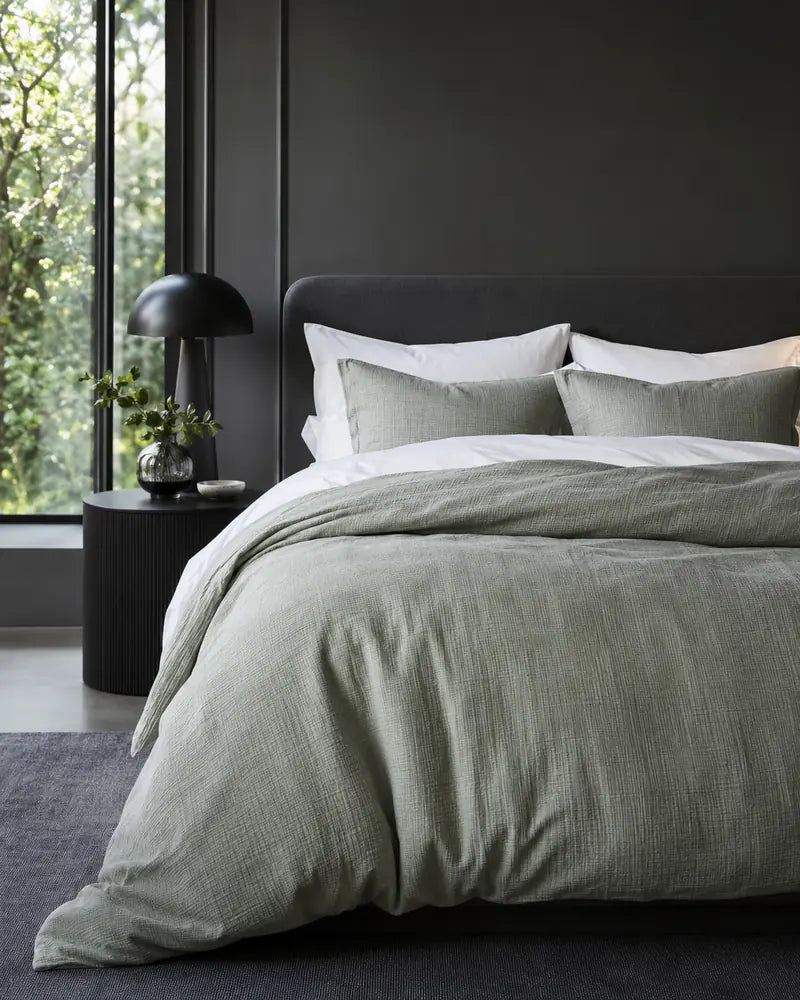
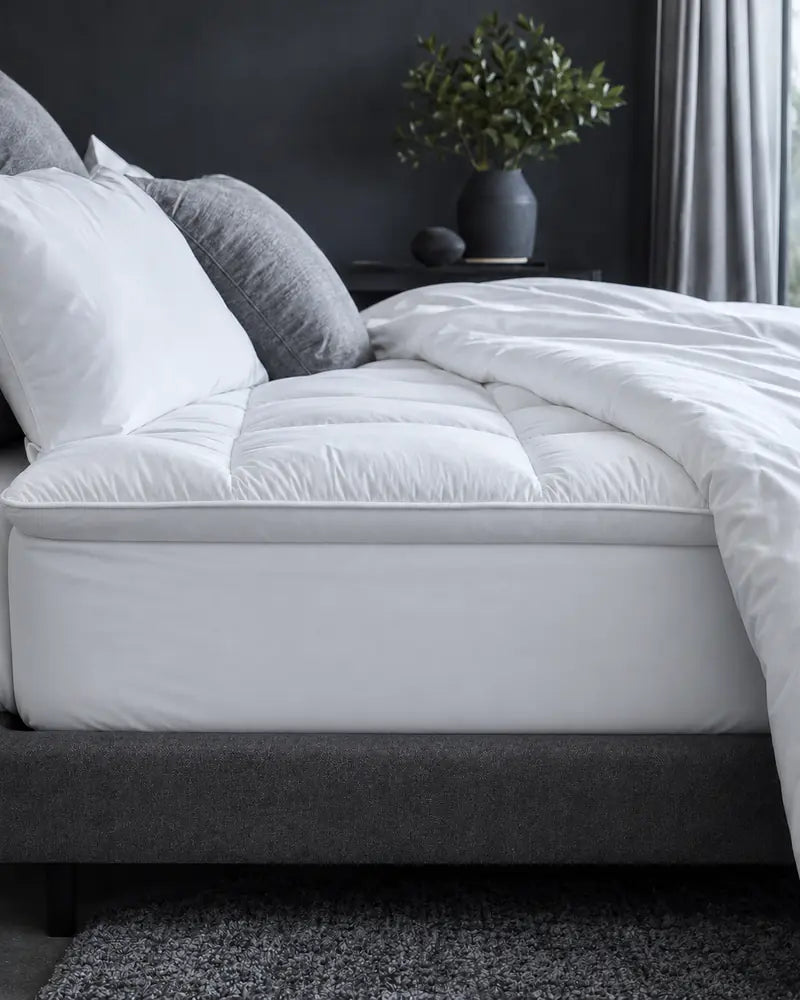
Do not audit linen only from the shelf. Put the sheet on the bed. Close the duvet cover. Dress the pillows. Then check what the guest will actually see and feel.
Look for these signs:
- Fitted sheet corners pulling up
- Flat sheets not giving enough tuck-in allowance
- Duvet covers sitting too tight or too loose over the inner
- Pillowcases straining at the seams
- Wrinkling that does not press out cleanly
- Uneven colour across the bed
If the linen does not fit correctly, staff have to fight with it every changeover. That costs time, and the finished room still looks less polished than it should.
If you have unusual bed sizes, deeper mattresses or custom room setups, rather confirm sizing before reordering. Linen and Co can assist with hospitality guidance and quote support for mixed room lists and made-to-measure requirements.
3. Separate everyday rooms from premium rooms
Not every room needs the same linen specification. A high-turnover guesthouse room has different needs from a honeymoon suite, spa room or premium lodge suite.
For practical everyday rooms, a durable easy-care fabric is usually the smarter choice. For elevated rooms, a crisper or smoother cotton option may be more appropriate. The key is not to buy the most expensive option everywhere. The key is to match the fabric to the job it needs to do.
As a simple guide:
- Polycotton Percale 200TC works well for practical, frequent-use hospitality rooms where durability and easy care matter.
- Cotton Percale 200TC suits properties that want a natural cotton handle with a crisp finish.
- Cotton Percale 300TC is better suited to elevated bedrooms and suites where a smoother, more refined finish is required.
The audit should tell you which rooms need everyday workhorse linen and which rooms deserve a higher-spec finish.
4. Inspect wash wear, not just stains
A sheet does not have to be stained to be finished. In hospitality, linen can look tired because of wear, thinning, greying, seam damage or loss of shape.
Pull out a sample from each category and check:
- Are the whites still consistent?
- Are hems and seams still neat?
- Is the fabric thinning in the centre?
- Are pillowcases showing hairline marks or discolouration?
- Are duvet covers closing properly?
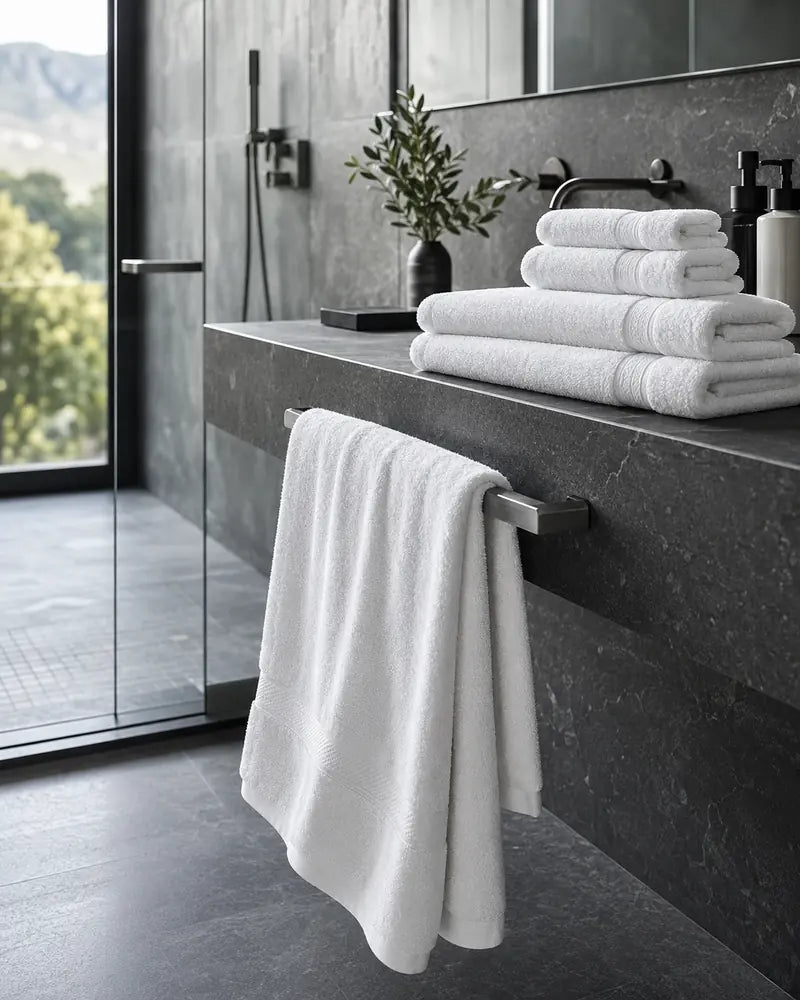
- Are towels still full, absorbent and guest-ready?
- Do bath mats still look clean and structured?
Guest perception is ruthless. Guests may not know the thread count, but they notice a grey pillowcase, a thin towel, a tired bath mat and a bed that does not look freshly made.
Replace linen before it becomes a complaint. A planned top-up is always better than a rushed replacement after a bad review.
5. Protect the bed before replacing the bed linen
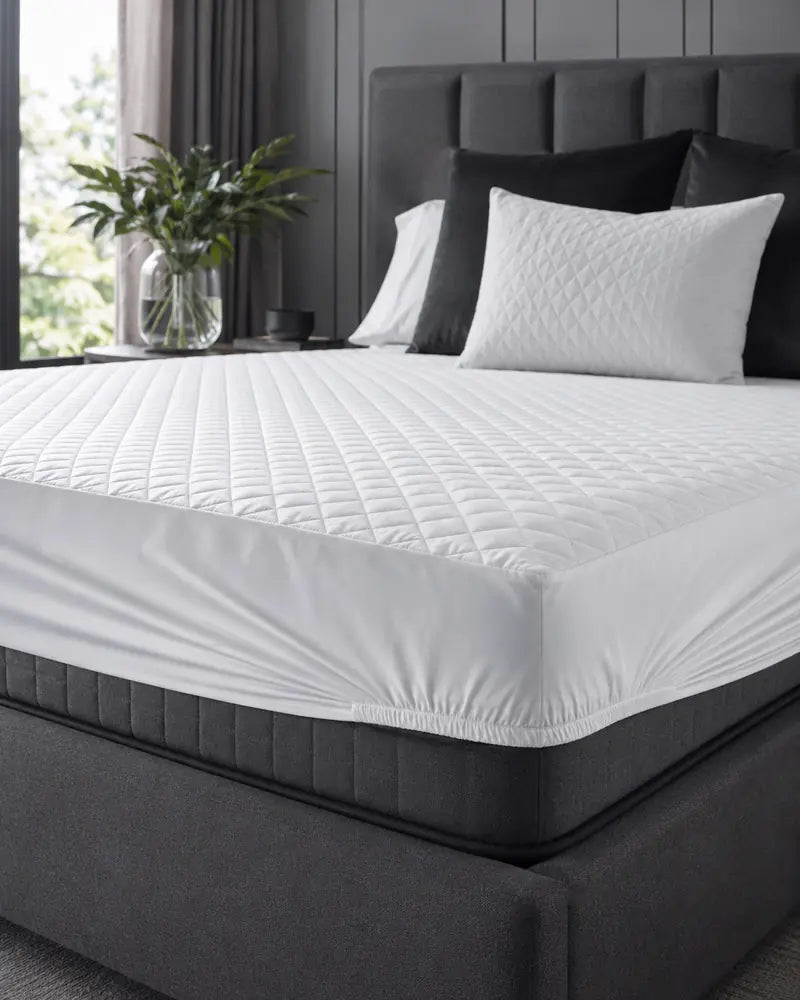
If protectors are missing, damaged or poor quality, your sheets and mattresses take the hit. During the audit, check every mattress protector and pillow protector.
A good protector helps extend the life of the mattress, keeps the sleep surface cleaner, and reduces the risk of expensive damage from spills, sweat, makeup, oils and accidents.
Check for:
- Missing protectors
- Cracked waterproof layers
- Elastic that has stretched out
- Staining or odour retention
- Protectors that no longer fit the mattress depth
Before spending money replacing bed linen, make sure the bed underneath is properly protected. Browse mattress protectors if your audit shows gaps in the room setup.
6. Count linen by working stock, not shelf stock
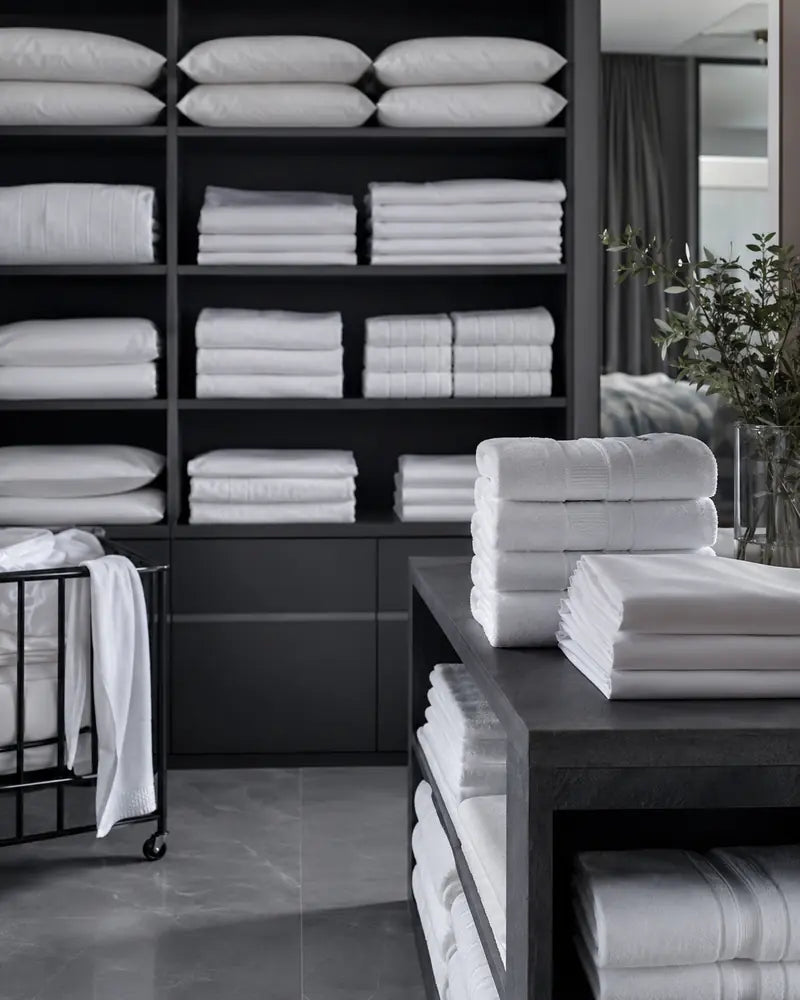
A cupboard can look full and still be short. Count linen according to how the property operates.
For each bed, consider what is:
- On the bed
- In the laundry
- Clean and ready on the shelf
- Held as emergency backup
Many properties work from a par-level system: one set in use, one set in wash, and one set available. Your exact quantity will depend on occupancy, laundry turnaround, storage space and how often stock is sent off-site.
The important point is this: do not reorder from memory. Reorder from the way your rooms actually turn.
7. Standardise what guests see first
If budget is tight, start with the pieces guests notice first.
- Pillowcases
- Top sheets or visible flat sheets
- Duvet covers
- Bath towels
- Bath mats
These pieces carry the strongest visual impression. A guest may not inspect the full linen cupboard, but they will notice the bed, the pillows and the towels immediately.
When topping up, keep whites, finishes and sizes consistent wherever possible. Mixing old and new stock is sometimes unavoidable, but mixing too many fabrics, shades and finishes in the same room can make clean linen look untidy.
8. Decide where custom finishes make sense
Custom work should be used where it improves the room, the brand or the operation.
Useful custom options include:
- Satin stitch on bed linen for a more finished guest-room look
- Embroidery or branding for selected pieces
- Woven labels for easier identification
- Custom sizing for unusual beds or hospitality layouts
Custom finishes are especially useful for boutique hotels, lodges, guesthouses and properties that want a more consistent room presentation. They can also make repeat ordering cleaner because the specification is easier to identify later.
Guest-room linen audit checklist
Before you reorder, confirm the following:
- Room list is correct
- Bed sizes and mattress depths are checked
- Duvet inner sizes match duvet covers
- Pillow sizes are confirmed
- Every bed has a working mattress protector
- Pillow protectors are present and clean
- Sheets are checked for fit, greying and thinning
- Duvet covers are checked for closures, seams and shade match
- Towels are checked for softness, absorbency and colour consistency
- Bath mats are still guest-ready
- Premium rooms and standard rooms are specified separately
- Par levels are based on real laundry turnaround
- Any custom sizing, satin stitch or embroidery is confirmed before ordering
Send us the list. We will help you make sense of it.
You do not need to have every answer before asking for help. Send the room count, sizes, quantities, fabric preference, deadline and any custom finish requirements, and we will help you choose the right route.
For hospitality and trade orders, you can apply for trade access, request a guided quote, or start from the Hospitality Hub.
Buy the right linen once, care for it properly, and make future reorders simpler.

Written by Dawn Gee